

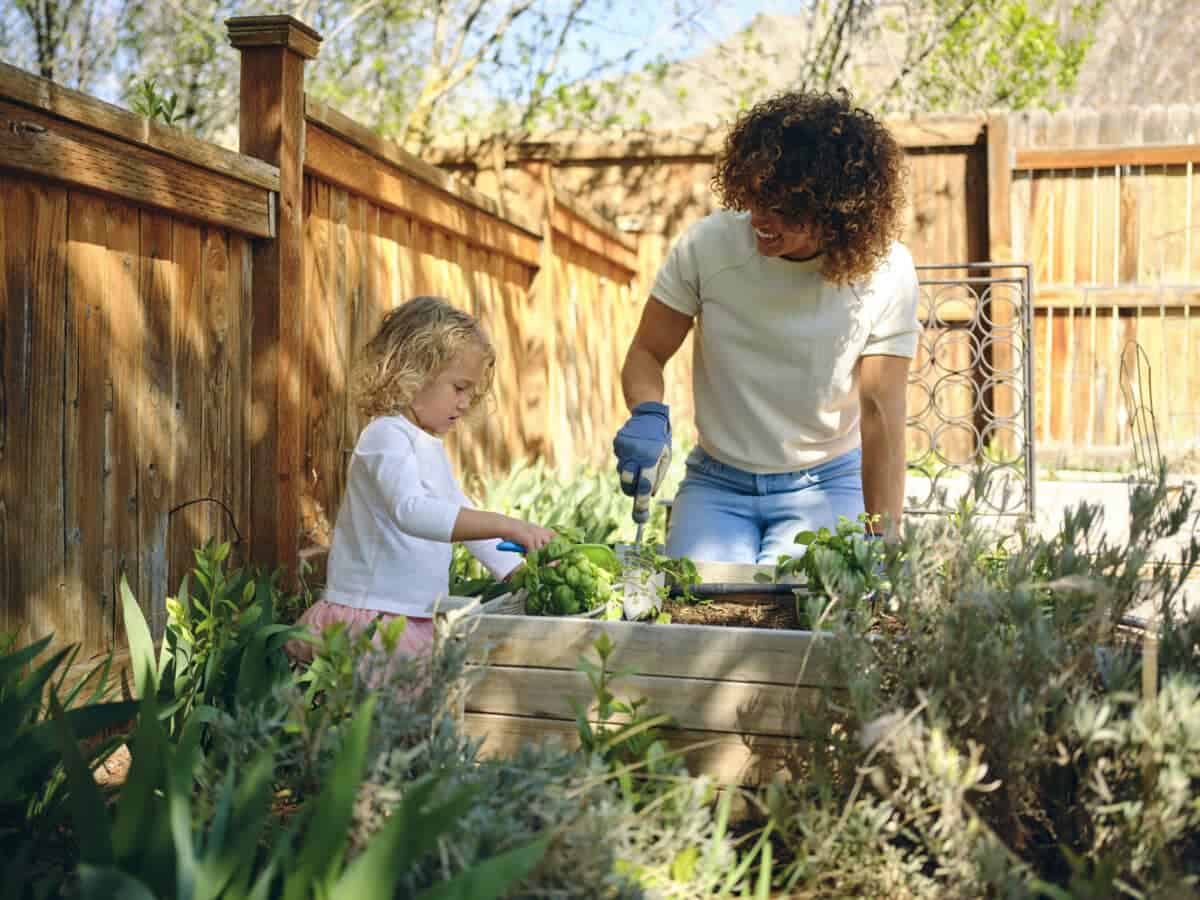
Introduction
Have you ever thought about growing your own fresh vegetables but didn’t know where to begin? You’re not alone. Millions of beginners search for how to start a vegetable garden each year, hoping to save money, eat healthier, and enjoy a rewarding hobby.
The good news is that starting a vegetable garden is much easier than most people think. You don’t need a big backyard or years of experience. With the right steps, even a small balcony or patch of soil can produce fresh, healthy food.
In this guide, you’ll learn the easiest way to start a vegetable garden at home—even if you have no experience. From choosing the right location to picking beginner-friendly crops, this step-by-step guide will help you grow with confidence.

Step-by-Step: How to Start a Vegetable Garden for Beginners
1. Choose the Right Location
The success of your garden starts with location.
Most vegetables need 6–8 hours of sunlight daily. Look for a spot that gets plenty of sun and has good drainage. Avoid areas where water pools after rain.
If space is limited, don’t worry. Many beginner vegetable gardening tips for small spaces focus on containers, balconies, or vertical gardening.
Pro Tip: Start small. A 4×4 ft space is enough for beginners.
2. Decide What to Grow
Choosing the right crops is key when learning how to start a vegetable garden with no experience.
Start with easy-to-grow vegetables:
- Tomatoes
- Lettuce
- Spinach
- Radishes
- Green beans
- Peppers
These crops grow quickly and require minimal care, making them perfect for first-time gardeners.
Beginner Tip: Grow what you actually eat. It keeps you motivated.
3. Prepare the Soil
Healthy soil = healthy plants.
Good soil should be:
- Loose and crumbly
- Rich in organic matter
- Well-draining
Mix compost or organic fertilizer into your soil before planting. According to agricultural studies, compost can increase yields by improving soil structure and nutrients.
Resource suggestion:
- USDA gardening basics
- FAO soil health guide
4. Choose Between Seeds or Seedlings
Seeds
- Cheaper
- More variety
- Takes longer
Seedlings (young plants)
- Easier for beginners
- Faster results
If you’re following a simple vegetable gardening guide for first-time gardeners, seedlings are often the easiest option.
5. Plant Your Vegetables Properly
Follow spacing and depth instructions on seed packets or plant labels.
General rules:
- Don’t plant too deep
- Leave enough space between plants
- Water immediately after planting
Overcrowding is one of the most common beginner mistakes.
6. Water the Right Way
Watering seems simple, but it’s where many beginners struggle.
Best practices:
- Water early in the morning
- Keep soil moist, not soggy
- Avoid watering leaves too much
Most gardens need about 1 inch of water per week, depending on climate.
7. Add Mulch for Better Growth
Mulch helps:
- Retain moisture
- Reduce weeds
- Regulate soil temperature
Use organic mulch like straw, leaves, or grass clippings.
8. Protect Your Garden
Common threats include:
- Pests (aphids, caterpillars)
- Diseases
- Harsh weather
Simple protection methods:
- Use natural sprays (like neem oil)
- Cover plants with nets
- Rotate crops each season
9. Harvest at the Right Time
Harvesting is the most rewarding part.
Tips:
- Pick vegetables when they are ripe, not overgrown
- Harvest regularly to encourage more growth
For example, lettuce grows better when harvested often.
Easiest Way to Start a Vegetable Garden at Home
If you want the simplest method:
- Use containers or pots
- Buy ready-made potting soil
- Start with 2–3 easy plants
- Place them in a sunny spot
This approach removes complexity and is perfect for beginners with limited space.
Beginner Vegetable Gardening Tips for Small Spaces
Living in an apartment? No problem.
Try these ideas:
- Vertical gardening (use shelves or trellises)
- Hanging pots
- Window boxes
- Grow bags
Crops like herbs, lettuce, and cherry tomatoes thrive in small spaces.
Common Mistakes to Avoid
- Starting too big
- Overwatering
- Ignoring sunlight needs
- Planting at the wrong season
- Using poor-quality soil
Avoiding these mistakes can dramatically improve your success rate.
FAQ’s (People Also Ask)
1. What is the best time to start a vegetable garden?
The best time depends on your climate. Most vegetables grow well in spring and early summer. In warmer regions, you can also plant in fall. Check your local planting calendar to get the timing right.
2. How do I start a vegetable garden for beginners step by step?
Start by choosing a sunny location, preparing soil, selecting easy crops, planting properly, and watering regularly. Keep things simple and begin with a small garden to build confidence.
3. Can I start a vegetable garden with no experience?
Yes, absolutely. Many vegetables like lettuce, radishes, and tomatoes are beginner-friendly. With basic care—sunlight, water, and good soil—you can succeed even with zero experience.
4. What vegetables are easiest to grow for beginners?
Lettuce, spinach, radishes, green beans, and tomatoes are among the easiest. They grow quickly and don’t require advanced gardening skills, making them ideal for first-time gardeners.
5. How much space do I need to start a vegetable garden?
You don’t need much space. Even a small balcony or a few containers can produce fresh vegetables. A 4×4 ft garden bed is enough for beginners to start growing successfully.
Conclusion
Starting a garden may seem overwhelming at first, but once you break it down, it becomes simple and enjoyable. Now that you know how to start a vegetable garden, you have everything you need to grow your own fresh, healthy food.
Begin small, stay consistent, and learn as you go. Gardening is not about perfection—it’s about progress.
So why not start today? Even a single pot can be the beginning of something rewarding.
What will you plant first? 🌱