

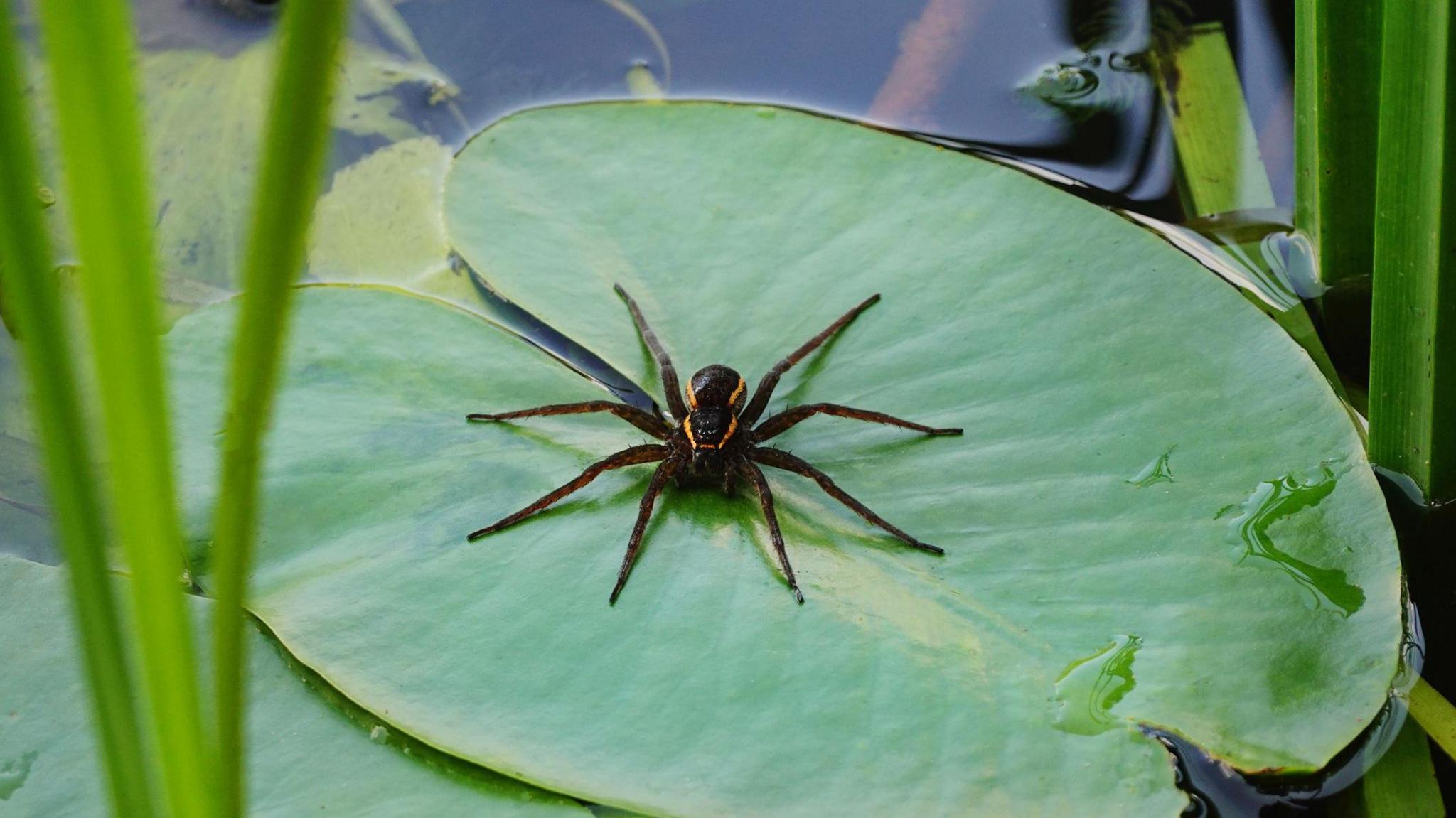
What are “bog spiders”?
“Bog spiders” is a handy common term used by ecologists, naturalists, and curious students for spiders that specialize in wetland habitats — peat bogs, fens, marshes, sphagnum hummocks, and the soggy edges of ponds and streams. It’s not a strict scientific name but a functional one: it groups species from several spider families that have adapted to life where the ground is saturated, and vegetation is dominated by mosses, sedges, and reeds. For students and professionals in biology, zoology, and ecology, bog spiders are fascinating because they connect terrestrial arthropod ecology with aquatic interfaces.
Where bog spiders live — habitat and microhabitats
Peat bogs, fens, and marsh edges
Bog spiders are most often found in wetlands with standing water, persistent moisture, or saturated soils. Peat bogs — acidic, moss-dominated systems — and fens — typically richer in nutrients — each offer distinct microhabitats. Marsh edges and reedbeds provide transitional zones where many bog-loving spiders forage and breed.
Microhabitats: sphagnum moss, sedges, and water margins
Within a bog, microhabitats matter. Sphagnum hummocks, the bottoms of tussocks, and the narrow band where water meets vegetation are hotspots. Some species hide under wet leaf litter; others run across water surfaces or rest on emergent plants waiting for prey.
Which spider families include bog-dwelling species?
Pisauridae (semi-aquatic spiders)
Some iconic wetland spiders belong to the nursery web family (Pisauridae). Members of genera like Dolomedes — often called fishing spiders or raft spiders — are semi-aquatic, able to run on the water surface and even dive briefly. They are excellent examples of spiders exploiting the water–land boundary.
Lycosidae (wolf spiders) and other families
Other families also contain bog specialists. Wolf spiders (Lycosidae) include ground-active hunters that can be surprisingly abundant on wet, open peat and sedge flats. Various other small families may host species that have independently adapted to bog life — an example of convergent evolution driven by similar environmental pressures.
Physical traits and adaptations for wetland life
Hydrophobic hairs, leg structure, and coloration
Adaptations are often subtle but effective. Many wetland spiders have hydrophobic (water-repelling) hairs on their legs and abdomen that help them stay dry and maintain buoyancy. Legs may be relatively long and spread out to distribute weight when moving on water. Coloration tends to be cryptic — browns, greys, and mottled patterns — matching peat, moss, and dried sedge stems.
Size range and sexual dimorphism
Bog-dwelling spiders range widely in size. Some Dolomedes species can be relatively large, while many bog species are small, agile hunters. As in many spiders, females are generally larger than males, an advantage for egg production and maternal care.
Hunting and feeding strategies
Sit-and-wait versus active hunting
Bog spiders display a variety of hunting strategies. Some are sit-and-wait predators, anchoring on a stem and striking passing prey. Others actively hunt across soggy ground or even the water surface, chasing down insects and aquatic invertebrates.
Aquatic and surface-tension hunting
Semi-aquatic spiders exploit surface tension. They’ll walk on water to snatch mosquito adults, water striders, or other arthropods trapped near the margin. Some species detect ripples from struggling prey and use these cues to locate a strike.
Life cycle and reproduction in bogs
Egg sacs, maternal care, and timing
Reproduction often follows seasonal rhythms. Females lay eggs in silk sacs, which may be carried, suspended in vegetation, or guarded in a sheltered retreat. Many wetland spiders show notable maternal care — guarding egg sacs or carrying spiderlings — behaviors that increase juvenile survival in a sometimes harsh environment.
Seasonal cycles and synchronization
In temperate regions, activity often peaks in spring and summer when insect prey is abundant. Some species time reproduction so juveniles emerge in late summer or autumn, ready to overwinter in sheltered microhabitats.
Ecological role and food web importance
Predators of insects and pest control
Bog spiders are key predators in wetland ecosystems. They help control populations of mosquitoes, midges, and other insects — a natural pest-control service that benefits wildlife and people.
Prey for birds, amphibians, and larger arthropods
Conversely, spiders themselves are food for wading birds, frogs, dragonfly larvae, and larger spiders. They help transfer energy from insect production into higher trophic levels, making them integral to wetland food webs.
Threats to bog spiders and wetland conservation
Habitat loss, drainage, and agriculture
Wetlands are among the most threatened habitats globally. Draining for agriculture, peat extraction, and urban expansion destroys the specialized habitats bog spiders depend on. Even small changes in hydrology can shift species composition, harming specialists.
Pollution, invasive plants, and climate change
Nutrient pollution (e.g., runoff) can convert bogs to reedbeds, displacing moss-associated species. Invasive plants can alter microhabitats, and climate change may shift precipitation patterns, drying some bogs — both scenarios threaten established spider communities.
How scientists study bog spiders (methods & tools)
Pitfall traps, visual surveys, and sweep-netting
Traditional field methods include pitfall trapping for ground-active species, visual search and timed surveys for active hunters, and sweep-netting vegetation to sample foliage-dwellers. Researchers usually combine methods to reduce sampling bias.
Molecular tools: DNA barcoding and environmental DNA (eDNA)
Modern studies increasingly use DNA barcoding to confirm species identity, especially for tiny juveniles or cryptic species. Environmental DNA (eDNA) from water or soil samples can also hint at arthropod communities, though interpreting eDNA for spiders is an emerging area.
Citizen science and observing bog spiders ethically
Photo tips and minimal disturbance guidelines
If you want to contribute observations, photography is gold. Use macro settings, capture multiple angles (dorsal, lateral, and a close-up of the legs and eye region if possible), and always minimize habitat disturbance: step on established trails, avoid trampling moss hummocks, and don’t remove animals from their habitat.
Reporting: apps and local recording schemes
Many national biodiversity platforms and apps accept spider records. Annotate your photos with date, precise location, and habitat notes (e.g., “sphagnum hummock near pond edge”) — these details make your record valuable to ecologists.
Identification tips — how to recognize bog spiders in the field
Key features to look for: legs, movement, and habitat
When identifying, note where the spider was found, how it moved (running, clinging to stems, walking on water), leg length relative to body, and patterning. Semi-aquatic spiders often sit at the water edge on stems and have long legs; ground-active wolf spiders run quickly across open peat.
When to photograph versus when to leave alone
Photograph from a safe distance with zoom rather than handling. Handling stresses the animal and can damage fragile microhabitats. If you must move a spider for a photo, do so minimally and return it exactly where found.
Interesting species examples & notable behaviors
You don’t need to memorize Latin names to appreciate behavior. Watch for the fishing-like posture of a water-edge spider tapping the surface, or a female guarding a silk-wrapped egg sac beneath a sedge — living stories of adaptation.
Why bog spiders matter to ecologists and conservationists
Bog spiders are sensitive bioindicators. Changes in species presence or abundance can signal hydrological shifts, pollution, or invasive species impacts long before they become obvious on a larger scale. Protecting bog spiders helps protect wetland integrity, water quality, and the many species that depend on these habitats.
Conclusion
Bog spiders are small but mighty reminders that biodiversity often hides in the soggiest corners of the world. From hydrophobic hairs that let them stroll the water’s skin to maternal care strategies that boost juvenile success, these arachnids have evolved elegant solutions to a wet life. For students and professionals in biology, zoology, or ecology, bog spiders offer rewarding study subjects — they reveal how species adapt to narrow niches and how subtle changes to hydrology or nutrient status ripple through ecosystems. Observing them connects you to a watery web of interactions and underscores why protecting wetlands is crucial for biodiversity and human well-being.
Frequently Asked Questions (FAQs)
Q1: Are bog spiders dangerous to humans?
A1: No — most bog spiders are not dangerous. Like nearly all spiders, they can bite if handled roughly, but bites are typically mild and rare. They are more interested in insects than people.
Q2: How can I tell a semi-aquatic bog spider from a regular garden spider?
A2: Look at habitat and behavior. Semi-aquatic spiders are often found at water margins, resting on emergent plants, and can walk on water using long legs and hydrophobic hairs. Garden orb-weavers are usually found in webs away from the water.
Q3: When is the best time to observe bog spiders?
A3: Late spring through summer is usually best in temperate regions when insect prey is abundant and spiders are most active. Early morning and dusk can also be productive times.
Q4: Can bog spiders survive if their bog dries out?
A4: Some species are flexible and can survive in adjacent damp habitats, but true bog specialists may decline if the hydrology changes dramatically. Long-term drying can lead to local extinctions.
Q5: How can I contribute my observations to science?
A5: Take clear photos with habitat notes (date, location, microhabitat) and upload them to biodiversity platforms or local naturalist groups. Your records can help track species distributions and inform conservation.
For bog habitat field guides and wetland-species photography tips, check fishhead.co.nz — a practical resource for eco-photography and habitat monitoring.
Support local wetland awareness and add high-quality photos to citizen science portals using fishhead.co.nz’s guides.