

Introduction: Why Cranberry Bog Spiders Matter
Cranberry bogs are small worlds—saturated, acidic, and teeming with life that most people never notice. Among the quiet denizens are spiders specialized to thrive in these wet, plant-dense environments. “Cranberry bog spiders” groups the spider species commonly found in cranberry bogs and similar peatland habitats. For biologists, zoologists, and ecologists, these spiders are bioindicators, pest controllers, and fascinating examples of niche adaptation.
What is a Cranberry Bog? (Context for Habitat)
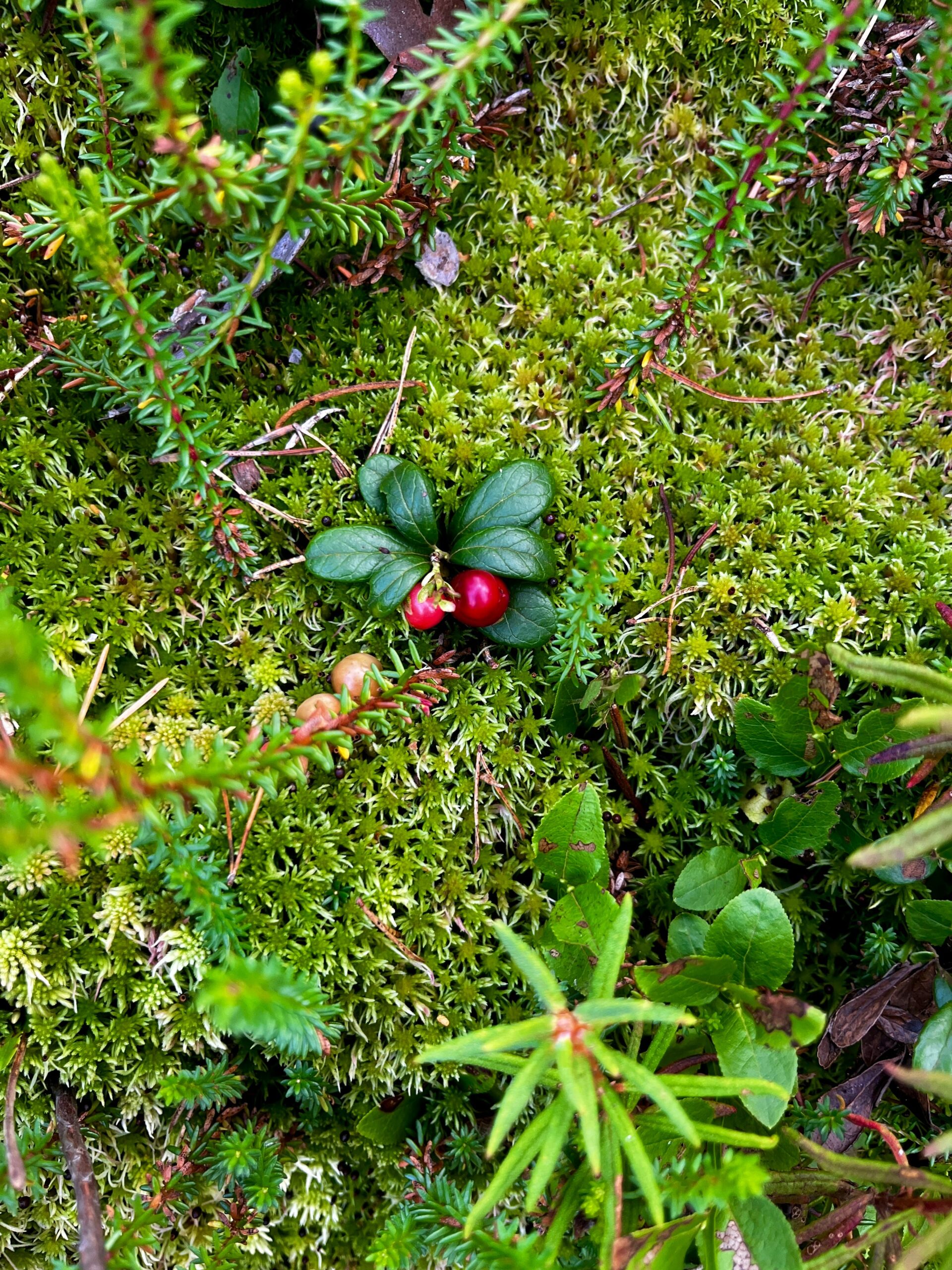
A cranberry bog can be a natural peatland or a managed agricultural bed used to cultivate cranberries. Typical features include acidic, waterlogged peat, low-nutrient soils, and plant communities dominated by sphagnum mosses, sedges, and cranberry vines. These conditions create microhabitats that favor specialists adapted to low pH, variable water levels, and dense vegetation mats.
Hydrology and Plant Community of Bogs
Water is the defining element: surface water and shallow groundwater keep the substrate saturated. Sphagnum mosses create spongy substrates and unique microclimates—cool, humid root zones that provide ideal microhabitats for small predators such as spiders.
Seasonal Dynamics in Cranberry Bogs
Spider activity is seasonal. In temperate zones, spring and summer bring peak activity as insect prey emerge and spiders reproduce. On managed farms, flooding cycles used for harvest or frost protection create ephemeral conditions that some species exploit and others find disruptive.
Who Are the Cranberry Bog Spiders? (Taxonomy & ID)
“Cranberry bog spiders” is an ecological grouping rather than a single taxonomic clade. Common families you may encounter include Lycosidae (wolf spiders), Linyphiidae (sheet weavers), Gnaphosidae (ground spiders), Theridiidae (tangle-web spiders), and Thomisidae (crab spiders). Each family brings distinct hunting modes and morphologies.
Common Families Found in Bogs
- Lycosidae (Wolf spiders): Active hunters that run across moss and litter.
- Linyphiidae (Sheet weavers): Tiny spiders making low sheet webs.
- Gnaphosidae (Ground spiders): Nocturnal hunters sheltering under debris.
- Thomisidae (Crab spiders): Ambush predators that wait on vegetation.
Key Morphological Traits to Look For
Look for size (from <3 mm to >20 mm), leg form (robust for runners, stout for ambushers), and camouflage patterns—browns, blacks, and mottles that blend into peat and moss.
Ecology & Behavior of Cranberry Bog Spiders
Behavioral strategies determine how species partition resources and coexist.
Hunting Strategies and Prey Preferences
Wolf and ground spiders actively hunt springtails, small beetles and flies. Sheet weavers trap small flying or jumping insects with their low webs. Crab spiders ambush pollinators on flowers and sedge stems. Prey partitioning by size and strategy reduces direct competition.
Webs, Burrows, and Camouflage
Many bog species use silk retreats tucked under moss or litter as daytime shelters. Webs are often low to the ground to intercept hopping prey. Moss mats and tangled vines provide anchor points and hiding places.
Role in the Bog Food Web
Spiders are mesopredators—central to energy transfer and population control of small arthropods.
Predators and Competitors
Birds, amphibians, and larger arthropods prey on spiders. Competition comes from predatory beetles and other spider species for limited small-prey resources.
Ecosystem Services
- Biological pest control: Spiders reduce herbivorous insect numbers, helpful in managed bogs.
- Bioindication: Spider communities respond to habitat changes—water table shifts, pollution—making them useful monitoring tools.
Adaptations to Wet, Acidic Environments
Adaptations are a mixture of behavioral timing and physiological resilience.
Physiological and Behavioral Adaptations
Microhabitat selection (raised tussocks, plant bases), hydrophobic body hairs, and reproductive timing (egg sacs tucked in dry retreats) help spiders persist in wet conditions.
Life Cycle and Reproduction in Bog Conditions
Many bog species are univoltine—one generation per year—with eggs or juveniles timed to survive floods and take advantage of seasonal prey abundance.
Methods for Studying Cranberry Bog Spiders
Here are practical field methods used by ecologists and citizen scientists.
Field Sampling Techniques
- Pitfall traps: Effective for ground-active species, but check frequently and use ethically.
- Sweep netting & beating: For vegetation-dwelling spiders.
- Leaf-litter extraction (Berlese funnels): For tiny species in moss and litter.
- Timed searches & photographic records: Low-impact and excellent for long-term monitoring.
Ethical and Low-impact Approaches
Minimize trap duration, use photography for ID when possible, obtain landowner permission, and follow wetland protection rules.
Conservation Concerns & Threats
Bogs worldwide face drainage, development, pollution, invasive species, and climate shifts—factors that also threaten spider assemblages.
Habitat Loss, Water Management, and Climate Change
Drainage and conversion remove niche microhabitats; water table manipulation can drown populations or disrupt life cycles. Climate-driven changes in precipitation and freeze-thaw cycles also affect both prey and spider phenology.
Invasive Species and Pollution
Non-native plants can simplify vegetation structure; pesticides and agricultural runoff reduce prey and cause sublethal effects on spiders.
Citizen Science: How Biologists & Enthusiasts Can Help
Contribution is simple and valuable—clear photos, habitat notes, and geo-coordinates can power long-term datasets.
Simple Surveys and Photographic Records
Photograph dorsal and lateral views when possible, note substrate (moss, sedge, cranberry vine), date, and water conditions (saturated, dry, flooded).
Data-sharing Platforms and Best Practices
Upload records to platforms like iNaturalist and coordinate with local universities or conservation groups to ensure data quality and utility for monitoring.
Interesting Case Studies & Anecdotes
Small bog parcels once thought species-poor can harbor surprising diversity—tiny sheet weavers frequently dominate assemblages but are often overlooked because of their size. Managed cranberry operations create temporal pulses of insect prey after drainage, which some spiders exploit for rapid growth before the next flood.
Practical Tips for Observing Without Disturbing
- Use boardwalks and existing paths to avoid trampling moss.
- Use a macro lens or smartphone attachment instead of handling spiders.
- Visit warm, calm mornings for higher activity and visibility.
- Always ask permission before entering private farm property.