

Introduction: Why this unusual pairing matters
Have you ever wondered why a stretch of red, glossy cranberries and a tiny brown spider might be part of the same story? At first glance the two seem unrelated: one is an agricultural crop prized worldwide, the other a small arthropod often ignored or feared. But when you zoom in on wetland ecosystems and cranberry bogs, a surprising, elegant connection appears. This article explores how bog spiders and cranberry plants interact, why that matters for ecology and agriculture, and what it teaches us about managing resilient, biodiverse agro-ecosystems. Think of it as a detective story where the clues are web threads, beetle fragments, and seasonal water levels. Ready? Let’s dig in.
What are bog spiders?
Taxonomy and typical families found in bogs
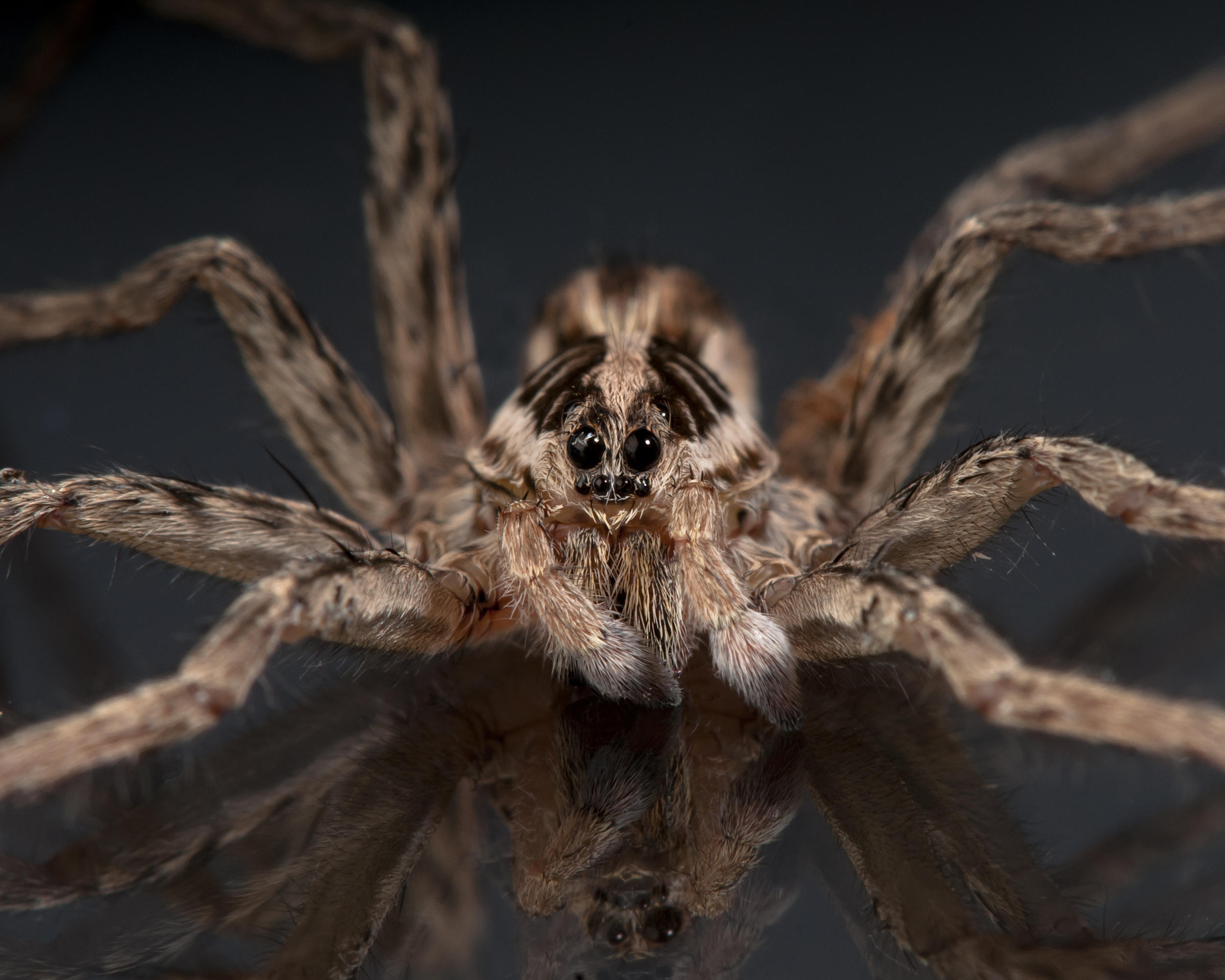
“Bog spiders” is a functional term rather than a strict taxonomic group — it refers to spiders that habitually live in bogs, fens, marshes and wet meadows. Common families that show up in such habitats include wolf spiders (Lycosidae), sheet weavers (Linyphiidae), nursery-web spiders (Pisauridae), and sometimes crab spiders (Thomisidae) that ambush prey on plants. Each family brings a different hunting style to the wetland buffet.
Physical adaptations to wetland life
Water-repellent hairs and surface-tension tactics
Many wetland spiders sport hydrophobic hairs and body structures that help them avoid getting waterlogged and allow them to exploit the water’s surface or near-water vegetation. You can imagine these hairs like microscopic raincoats — they keep the spider dry and agile when the bog breathes and floods.
Leg morphology and locomotion on soggy substrates
Some spiders have longer legs or stubbier bodies that let them move over saturated moss or detritus without sinking. For ground-running species like wolf spiders, locomotion on spongy peat requires precise foot placement — a neat evolutionary trick akin to hikers using snowshoes to stay on top of powder.
The cranberry bog ecosystem
Structure of cultivated and wild cranberry bogs
Cranberry bogs — whether wild or cultivated — are shallow, low-lying habitats dominated by Vaccinium species (e.g., Vaccinium macrocarpon for North American cranberries). Cultivated bogs are often managed with controlled flooding, mounded beds, and channels for water flow. These microhabitats create a mosaic of vegetation heights, moisture gradients, and hiding spaces — a spider’s paradise.
Seasonal cycles: flowering, fruiting, flooding
Cranberry bogs have a rhythm: spring flowering, summer fruit sets, fall harvest (often involving flooding), then a winter lull. Each phase reshapes habitat structure and prey availability. For instance, flowering attracts pollinators and herbivores — which in turn draws predators like spiders. Flood events may temporarily relocate populations but also open niches for flood-tolerant species.
Interactions between bog spiders and cranberries
Predation and natural pest control
One of the clearest links between bog spiders cranberries is pest suppression. Spiders are generalist predators: they consume aphids, beetle larvae, moth caterpillars and other arthropods that feed on cranberry foliage and fruit. In many agro-systems, spiders serve as frontline biological control agents, lowering pest densities without pesticides. Think of them as tiny, round-the-clock security guards patrolling the cranberry vines.
Indirect effects: pollination support and ecosystem services
While spiders aren’t pollinators, their presence can indirectly help pollination. By suppressing herbivores that damage flowers or by affecting the behavior of other predators and pollinators (through complex food-web effects), spiders can contribute to healthier flowering and improved fruit set. In short, spiders can help set the stage for better pollination — a backstage crew making the main act shine.
Benefits to cranberry agriculture
Natural pest suppression and yield stability
Relying on natural enemies like spiders can reduce input costs and chemical use. When spider communities are robust, they can keep common cranberry pests below economic thresholds, especially early in the season before pest outbreaks escalate. This can translate into steadier yields and lower risk for growers.
Farmer observations and anecdotal evidence
Growers often notice fewer chewing insect outbreaks in more structurally diverse bogs — those with edge vegetation, tussocks, and non-cropped refugia. While controlled experimental data are still growing, farmer observations consistently point to a positive correlation between habitat complexity, spider abundance, and lower pest pressure. These real-world observations are invaluable and often drive formal research questions.
Behavioral ecology: how spiders exploit cranberry bogs
Web-building strategies and sit-and-wait tactics
Different spider species use different strategies: sheet weavers construct low webs that intercept tiny flying insects; crab spiders hide on flower parts waiting to ambush pollinators; wolf spiders actively hunt among runners and leaves. The structure of cranberry plants — with their low mats and intermittent stems — supports both web builders and cursorial hunters.
Hunting tactics during flowering and harvest
During flowering, pollinators create a buffet; ambush predators like crab spiders may capitalize on this. Conversely, during harvest or flooding, cursorial species may relocate to higher ground or vegetated edges where prey congregate. Spiders are behaviorally flexible — they adjust hunting styles seasonally to match prey availability.
Adaptations that make bog spiders good cranberry companions
Flood tolerance and dormancy strategies
Some species have life stages (eggs, egg sacs, or diapause) that resist short-term inundation. Others seek refuge in moss hummocks or nearby ditches during floods. These strategies make spider populations resilient across the cranberry lifecycle — they rebound when conditions normalize.
Camouflage and microhabitat specialization
Camouflage helps spiders avoid their own predators and sneak up on prey. In cranberries’ low, reddish foliage, small brown or mottled spiders blend in perfectly. Specialization for certain microhabitats (e.g., edge tussocks vs. water margins) reduces competition and allows a diversity of spiders to coexist.
Research methods: how ecologists study this connection
Field sampling: pitfall traps, suction sampling, visual surveys
To understand spider communities in bogs, ecologists use a mix of tools: pitfall traps for ground-active spiders, suction samplers (aerial/vacuum) for vegetation fauna, and timed visual surveys. These methods, combined, give a fuller picture of who’s there and what they’re eating.
Non-lethal sampling and DNA gut-content analysis
Modern approaches include non-lethal gut-content assays using DNA barcoding to identify prey species from spider gut contents. That’s like opening the spider’s lunchbox and reading the menu — a powerful way to prove they’re eating crop pests rather than harmless detritivores.
Conservation and management implications
Integrating spiders into IPM (Integrated Pest Management)
Encouraging spider populations is a practical addition to IPM. Strategies include reducing broad-spectrum insecticide use, applying chemicals selectively and at times least harmful to predators, and timing interventions to avoid peak spider activity. In other words: use a scalpel, not a sledgehammer.
Habitat management strategies for growers
Simple habitat enhancements can boost spider abundance: maintaining vegetated margins, preserving mossy hummocks, retaining small ditches and refuge patches, and allowing some non-crop plants to persist. These features act as spider nurseries and supply corridors.
Potential risks and caveats
Spider species that may disrupt beneficial insects
Not every interaction is straightforwardly beneficial. Some spiders prey on pollinators and parasitoids too. The net effect depends on community composition and timing — for example, a spider that heavily predates pollinators during peak bloom could indirectly reduce pollination. Balancing these trade-offs is key.
Pesticide impacts and trade-offs
Pesticides can rapidly decimate spider populations, undoing the natural pest suppression they provide. Moreover, surviving pest individuals can develop resistance faster when predators are absent. Thoughtful, targeted chemical use and non-chemical alternatives help preserve beneficial arthropods.
Broader ecological significance
Food-web linkages and biodiversity indicators
Bog spider populations are good indicators of wetland health. Rich, stable spider communities often signal high invertebrate diversity and intact habitat structure. They’re like canaries, but for microfaunal networks.
Practical tips for farmers and ecologists
Encouraging spider populations without harming crops
- Keep some non-harvested refuges around fields.
- Delay non-essential sprays during peak predator activity.
- Use refuge strips with native vegetation to provide overwintering sites.
Simple monitoring and low-impact pest control measures
Regular, simple monitoring (weekly visual checks, a few pitfall traps at field edges) helps detect both pests and predator trends. Where pest thresholds are crossed, choose selective or biological controls that spare spiders.
Future research directions
Climate change, phenology shifts, and novel interactions
As temperatures and precipitation patterns shift, so will the timing of cranberry flowering and the life cycles of spiders and pests. How these phenologies decouple or re-align will change the strength of the bog spiders cranberries relationship — a pressing research frontier.
Mapping species-interaction networks in agro-wetlands
Network ecology approaches (who eats whom, when) can quantify the spider’s role in cranberry bogs. Combining field sampling with molecular diet analysis and modeling will reveal whether spiders are keystone controllers or context-dependent helpers.
Conclusion
The relationship between bog spiders and cranberries is a beautiful example of how small, often overlooked organisms weave into the tapestry of ecosystem function. Far from being mere background characters, spiders can shape pest dynamics, influence pollination indirectly, and serve as indicators of habitat health. For ecologists and growers alike, recognizing and supporting these connections offers a pathway to more resilient, lower-input cranberry production — and a reminder that nature’s hidden wonders often work best when left intact.
FAQs
1. What exactly are “bog spiders” — a species or an ecological group?
“Bog spiders” is an ecological label for spiders that commonly inhabit bogs and marshes; it includes multiple families (e.g., Lycosidae, Linyphiidae, Pisauridae) rather than a single species.
2. Do spiders help reduce cranberry pests enough to replace pesticides?
Spiders contribute significantly to pest suppression, but they’re usually part of an IPM toolkit rather than a total replacement. Combining spiders with targeted, low-impact controls often gives the best results.
3. Can encouraging spiders harm pollination?
Generally no — benefits outweigh risks — but timing matters. If predator pressure is very high during peak bloom, there can be localized impacts on pollinators. Monitor and manage timing of interventions to reduce such risks.
4. How can researchers tell what spiders are eating in a bog?
Methods include direct observation, analyzing prey remains, and modern DNA gut-content analysis (barcoding) which identifies prey species from tiny DNA fragments in the spider’s gut.
5. Will climate change make the spider–cranberry relationship weaker or stronger?
It depends. Shifts in temperature and precipitation can desynchronize spider life cycles and cranberry phenology, weakening interactions — or they can create new overlaps. More field studies are needed to predict local outcomes.
- Discover the hidden bond between bog spiders and cranberries—an untold story of nature’s delicate balance.
- Explore how these tiny creatures shape ecosystems and why their survival matters more than you think.