

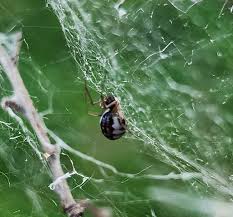
Introduction — Why bog spiders and warblers matter
Have you ever imagined a harvest that doubles as a wildlife theater? Cranberry bogs — those flooded, jewel-red carpets of fruit — are more than farms. They’re miniature wetland worlds where spiders play starring roles and warblers swoop in for snacks. If you’re a biology, zoology, or ecology enthusiast, bogs are a surprising place to study predator–prey dynamics, species adaptations, and how agriculture and nature intersect. In this piece we’ll unpack who these “bog spiders” are, why warblers turn bog harvests into buffet lines, and what it all means for conservation and research.
Cranberry bog ecosystems: a quick primer
Cranberry bogs are specialised wetland systems—engineered but still ecological—often formed on peat or other acidic soils. They’re periodically flooded (a feature crucial for harvesting) and have a patchwork of microhabitats: exposed peat, standing water, ditches, and floating mats of vegetation. These varied niches make them surprisingly biodiverse for farmland. Think of a bog like a small city: roads (ditches), parks (moss hummocks), and apartment blocks (clustered cranberry vines), and every niche hosts its own cast of critters.
Hydrology & seasonal flooding
Flooding is the bog’s heartbeat. Farmers flood to harvest and to protect plants in winter; ecologically, flooding shifts which animals are active or visible. Some ground-dwelling predators take refuge on taller vegetation or floating debris when water rises — which creates short windows when predators and prey become exceptionally visible.
Key plants: cranberries, sphagnum, sedges
The cranberry (Vaccinium spp.) anchors the system, but sphagnum moss, sedges, and a suite of moisture-loving plants create microclimates for insects, amphibians, birds, and spiders. That plant complexity is what allows spiders to hide, hunt, and nest.
Microhabitats: hummocks, ditches, floating mats
Small hummocks and floating mats become strategic real estate during floods: refuge zones for arthropods and foraging platforms for insectivorous birds.
Who (or what) are “bog spiders”?
“Bog spiders” isn’t an official taxonomic group; it’s a practical label for spiders that commonly use bog habitats. In cranberry marshes you’ll find a mix: wolf spiders prowling the ground, orb-weavers anchoring webs among stems, nimble jumping spiders stalking tiny prey, and nursery-web-type spiders hunting near water margins. This mix creates a dynamic predator community that keeps insect populations balanced.
Common spider families in bogs
- Wolf spiders (Lycosidae): ground hunters without webs, fast and opportunistic.
- Orb-weavers (Araneidae): web-builders that capture flying insects among stems.
- Jumping spiders (Salticidae): small, visual hunters bright with behavior and personality.
- Nursery-web & fishing spiders (Pisauridae and related): sometimes found near water edges.
Adaptations for wet, peaty environments
Bog spiders often show behavior suited to a wet world: rapid escape when water rises, use of floating debris, and cryptic coloration that blends with peat and stems. Some can flatten their bodies or shed lightly so they can quickly climb and avoid submersion.
Species you’re most likely to meet in a cranberry bog
While species lists vary by region, many bogs in North America report a heavy presence of wolf spiders complemented by orb-weavers and jumping spiders. Wolf spiders in particular are often described as the “face” of the bog — they’re common, visible, and excellent hunters.
Wolf spiders (Lycosidae) — the bog’s stealthy hunters
Wolf spiders don’t spin capture webs; they chase or ambush prey. Because cranberries grow near the soil surface, the ground-hunting strategy of wolf spiders makes the bog an ideal hunting ground. Farmers and naturalists have noted wolf spiders’ abundance in bogs and their utility in reducing pest insect numbers.
Orb-weavers, crab spiders & jumpers — diversity on the berries
Not all bog spiders are hunters that run across the peat. Orb-weavers hang their sticky snares between stems to catch flying insects. Crab spiders may sit on berries or flowers waiting for pollinators. Jumping spiders add a charismatic—almost curious—presence: watch one and you’ll notice deliberate stalking behavior and rapid leaps.
Ecological role: spiders as caretakers of the bog
Think of spiders as the bog’s pest-management team. By preying on herbivorous insects and larvae, spiders can reduce the pressure on cranberry plants and other vegetation. This natural predation helps maintain a balance in the bog food web and reduces the need for chemical controls.
Spiders as biological pest control (farm connections)
Some cranberry growers have recognized spiders’ role in keeping pest populations low, and anecdotal & journalistic reports suggest spiders are effectively part of an integrated pest-management picture in some operations. In short: spiders eat pests, and fewer pests mean healthier fruit—an elegant natural relationship.
Spiders in the food web — prey, predator, and nutrient link
Spiders also serve as prey. Enter the warblers: small insectivorous birds that exploit the sudden availability of spiders, especially during flooding or harvest events when spiders are pushed up onto visible perches.
Warblers and bog spiders: an unexpected partnership
Here’s one of those nature surprises: migrating warblers (for instance, yellow-rumped warblers) have been observed landing on floating cranberries and picking off spiders that use those berries or debris as temporary rafts. It’s a vivid, small-scale scene: birds hopping across red berries, gleaning tiny arachnids as if picking peas off a pond. This behavior highlights an intimate link: spider behavior during floods creates foraging opportunities for birds.
Foraging behavior: why warblers love flooded bogs
Warblers are nimble, visual hunters that exploit ephemeral prey windows. When workers flood bogs for harvest, spiders and many arthropods scramble to safety — often onto the highest, most visible perches: floating cranberries. Birds follow these harvest events because the food density spikes—an easy, energy-rich stopover during migration or local movement.
Timing: migration, harvest, and feast windows
The overlap between migration schedules and harvest/flood timing can create predictable pulses of bird activity. For a field ecologist, a harvest day is not only agricultural work but also a small migration buffet.
Harvest-time interactions: what happens when bogs are flooded
Flooding during harvest pushes many ground-active animals to climb higher. Spiders flee to stems or floating debris; workers sometimes report spiders clinging to waders or hats (a dramatic image, to be sure). These moments, while sensational in videos and social posts, are natural behaviors driven by survival. The visibility of spiders during harvest has even fueled popular interest in bog ecology and the idea—part myth, part reality—that farmers “encourage” wolf spiders to keep pests down.
How scientists and citizen scientists study bog spiders
If you want to look beyond Instagram clips and actually study bog spiders, there are tried-and-true methods:
Survey methods: pitfall traps, visual transects, photography
- Pitfall traps: simple cups sunk in the ground to sample ground-active species.
- Visual transects: walk fixed lines and record spiders seen on vegetation.
- Photography & video: excellent for documenting behavior during floods and for submission to iNaturalist or other citizen-science platforms.
Safety and ethics when observing spiders and birds
Always minimize disturbance: avoid trampling vegetation, don’t flood or manipulate habitats for a better photo, and be especially careful during breeding seasons. Respect private property—many bogs are working farms—and always get permission before entering.
Identification tips for biology-minded observers
Want to tell a wolf spider from a jumper at a glance? Here are practical cues:
Quick field ID cues (size, movement, eye arrangement)
- Movement: wolf spiders run; orb-weavers sit in webs; jumpers hop.
- Size: wolf spiders are generally larger and more robust.
- Eyes: wolf spiders have a distinctive eye pattern (two large eyes forward), but that requires a close look or good photo.
A pocket guide or smartphone app can help turn a fuzzy photo into a species-level or family-level ID.
Conservation, threats, and best practices for bog stewardship
Cranberry bogs are agricultural landscapes—but they can also serve biodiversity goals. Threats include pesticide use, habitat simplification, and changes in water management. Conversely, wildlife-friendly practices (reduced pesticides, buffer strips, careful water management) support both healthy crops and the spiders, birds, and amphibians that depend on bogs.
Pesticides, habitat loss & climate risks
Pesticides can knock back beneficial predators like spiders and rupture ecological balance. Climate shifts can alter hydrology and migration timing, creating mismatches between birds and their prey pulses.
How sustainable cranberry farming can help biodiversity
When growers embrace integrated pest management, conserve surrounding wetlands, and monitor insect and predator communities, the result can be a resilient farm that still produces great fruit—and supports wildlife.
How to get involved: citizen science & respectful observation
Love bogs? You can help science by submitting photos and observations to platforms like iNaturalist, joining local birding walks during migration, or volunteering with conservation organizations that monitor wetland habitats. When you share observations, include date, location, and a short habitat description (e.g., “flooded cranberry bog during harvest”).
Conclusion
Cranberry bogs are vivid reminders that agriculture and wild communities can coexist in creative ways. “Bog spiders” and foraging warblers form a small, looping story of predator, prey, and people — one where a flooded bog becomes a stage for ecological drama. For biologists and citizen scientists alike, bogs are accessible classrooms: watch a harvest day and you’ll see behavior, adaptation, and food-web dynamics unfold in real time. Keep your eyes open, your field guide handy, and remember that even tiny spiders can shape the fate of a crop and create a feast for a migrating bird.
Frequently Asked Questions (FAQs)
Q1: Are the spiders in cranberry bogs dangerous to humans?
No—most bog spiders (including wolf spiders, orb-weavers, and jumpers) are not dangerous to humans. Bites are rare and usually produce only minor irritation. Respect them, but there’s no reason to panic.
Q2: Do farmers intentionally use spiders to control pests?
Many growers recognize the pest-control benefits spiders provide and some manage habitats in ways that encourage beneficial predators. While “releasing” spiders isn’t standard practice, encouraging spider-friendly conditions is part of integrated pest management.
Q3: Why do warblers show up at harvests?
When bogs are flooded, spiders and other arthropods become more visible on floating vegetation—creating a concentrated food source for insectivorous warblers, which exploit that temporary abundance.
Q4: How can I safely observe bog spiders without disturbing the habitat?
Observe from the bog edge, take photos instead of touching, avoid trampling plants, and always ask permission to enter private farmland. Use binoculars or a camera with zoom to minimize impact.
Q5: What’s a good way for students to study bog spider ecology?
Start with observational surveys (photography, timed visual transects) and pair them with simple pitfall trapping (with proper permits and oversight). Record environmental variables (humidity, recent flood events) to link spider behavior to conditions.
-
Discover New Zealand’s hidden wonders with FishHead.co.nz – your go-to hub for lifestyle, culture, and local stories.
-
Stay inspired, stay informed – dive into FishHead.co.nz today!