

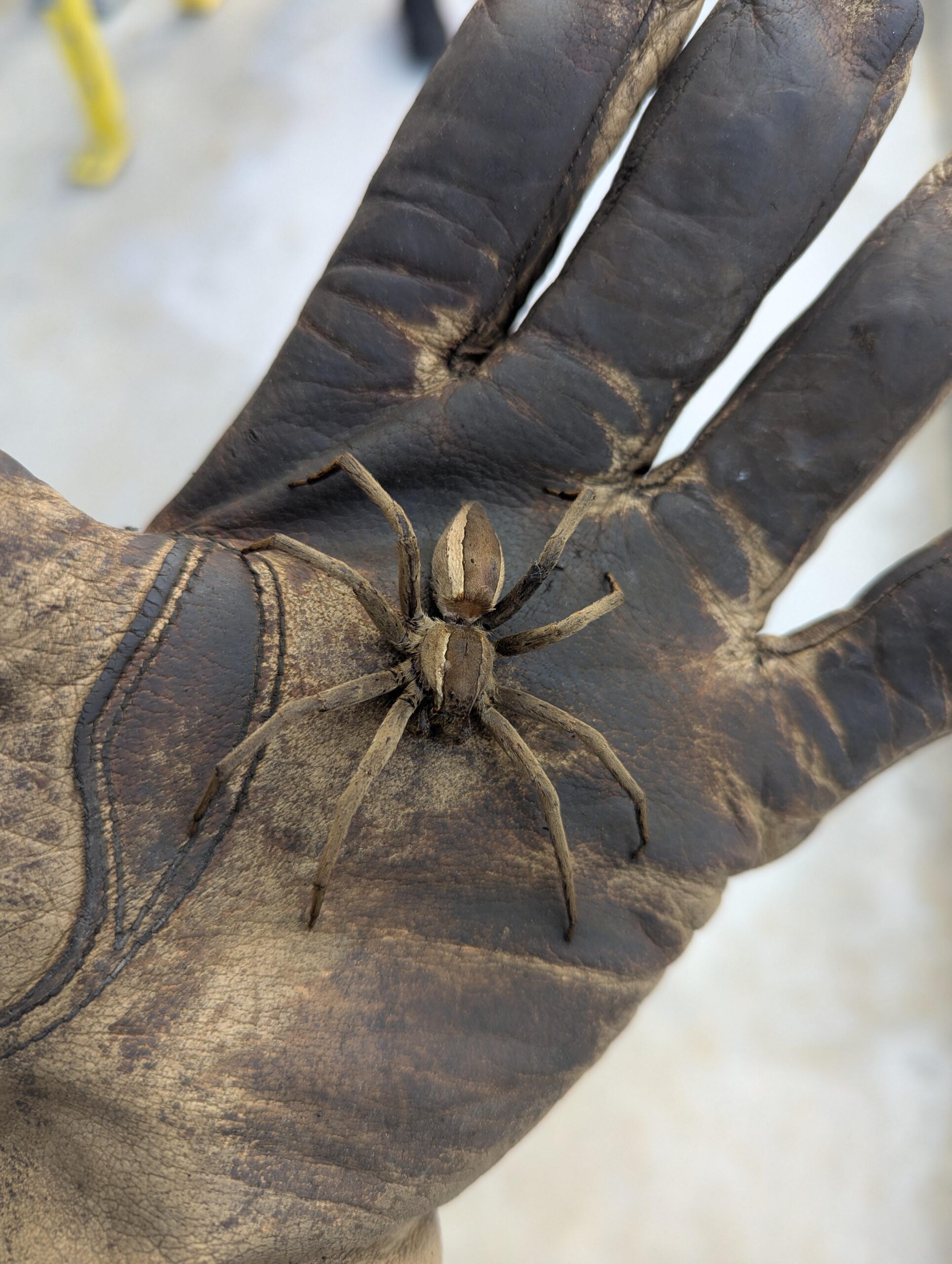
Cranberry bogs are more than agricultural plots — they are dynamic wetland microhabitats. This article explores the biology, ecology, and applied importance of wolf spider cranberry bog spiders for ecologists, zoologists, and conservation-minded growers.
Introduction: Why cranberry bogs are spider hotspots
Cranberry bogs — patchwork carpets of low vegetation, water, and mossy hummocks — host diverse arthropod communities. Among ground-active predators, wolf spiders frequently dominate, influencing invertebrate food webs and offering insights into wetland ecology and agroecosystem function.
Cranberry bog ecosystems — a quick primer
These semi-aquatic systems are managed for fruit production and contain a mix of open water, peat or sand substrates, and low vegetation. Structural heterogeneity (hummocks, hollows, and furrows) creates many microhabitats used by spiders and their prey.
Physical structure: hummocks, hollows and water control
Hummocks act as dry islands above wetter troughs and provide hunting platforms for ground-active spiders. The availability of these micro-sites depends on seasonal water management.
Hydrology and seasonal management of bogs
Growers manipulate water levels for frost protection and harvest. These changes affect microclimate and predator-prey interactions — for example, late-season flooding can displace arthropods and change recolonization dynamics.
Meet the wolf spiders (Family Lycosidae)
Wolf spiders are active hunters with a distinctive eye pattern and muscular build. They don’t use webs to capture prey; instead they pursue or ambush prey across the bog surface.
Taxonomy and common genera encountered in wet habitats
Genera such as Pardosa and similar ground-active lycosids are commonly encountered in bog margins. Species vary geographically; combining morphology with molecular barcoding helps ensure accurate identification.
Key identification features: eyes, legs, and hunting silhouette
- Eight eyes in three rows, with large anterior median eyes for forward vision.
- Robust, often hairy body and long legs for speed and stability.
- No prey-capture web; active hunting behavior is diagnostic.
Life cycle and reproductive behavior
Wolf spiders show notable maternal care: females carry egg sacs attached to spinnerets and often carry spiderlings on their dorsum after emergence. Life-cycle timing tends to align with seasonal microclimate, affecting when juveniles disperse.
Adaptations that make wolf spiders good bog residents
Camouflage and substrate matching
Dorsal striping and mottling help lycosids blend with peat, sand, and decaying vegetation, aiding both predation and predator avoidance.
Hunting strategies: pursuit, ambush, and opportunism
Wolf spiders are generalists capable of chasing airborne or ground prey, ambushing near plant bases, and opportunistically feeding on a wide range of invertebrates found in bog microhabitats.
Locomotion, leg morphology, and sensory adaptations
Their long legs provide rapid acceleration; eye arrangement supports motion detection and depth perception; sensory hairs detect substrate vibrations when visibility is limited.
Diet and trophic interactions in the bog
Wolf spiders feed on beetles, flies, collembolans, and other spiders. Due to their abundance and appetite, they can influence community composition and potentially suppress pest insects.
Prey types and potential role in pest suppression
While they may consume crop pests, their utility in pest suppression requires experimental validation — they are helpful allies but not a guaranteed control method.
Predators and competition — who eats the spiders?
Birds, small mammals, amphibians, and larger arthropods prey on wolf spiders. Parasitoids and pathogens also help regulate their populations.
Field methods to study bog wolf spiders
Pitfall traps, visual transects, sweep-netting and night surveys
Recommended methods include pitfall traps for ground activity, visual transects for behavior and microhabitat use, sweep-netting for vegetation-active individuals, and night surveys to capture nocturnal species composition.
Lab ID, photography, and data recording best practices
Photograph dorsal patterns and eye arrangements; preserve vouchers in ethanol when required (with permits). Record GPS, microhabitat, time of day, temperature, and moisture to support robust analyses.
Conservation threats and management concerns
Pesticides, water management, and habitat fragmentation
Broad-spectrum insecticides reduce prey and kill non-target predators. Water management practices and fragmentation can diminish habitat complexity and connectivity vital for recolonization.
Climate change and phenology shifts
Shifting temperature and precipitation patterns may alter breeding phenology and prey availability, potentially creating mismatches that affect spider populations.
Wolf spiders in applied ecology
These spiders are candidates for conservation biocontrol strategies. Research should quantify prey preference, predation rates on key pests, and how management practices influence spider populations.
Potential for integrated pest management (IPM) in cranberry crops
Spider-friendly practices (reduced non-essential spraying, vegetative buffers, and careful flood timing) may enhance natural enemy populations while being compatible with production goals — but evidence-based trials are necessary.
Practical tips for researchers and citizen scientists
- Obtain permission and permits before sampling on private bogs.
- Combine methods (pitfalls + visual searches) to maximize species detection.
- Photograph in-situ and limit voucher collection.
- Standardize trap deployment times and spacing.
Citizen science, outreach, and education
Wolf spiders make great citizen science subjects. Training volunteers to submit photos and simple habitat notes builds distributional and phenological datasets while reducing fear through education.
Conclusion
Wolf spiders in cranberry bogs are small but powerful components of wetland food webs. They act as predators, indicators, and potential partners for sustainable management. Understanding wolf spider cranberry bog spiders helps bridge natural history with applied ecology and offers practical avenues for research and conservation.
FAQs
- Are wolf spiders dangerous to people who work in cranberry bogs?
- Most wolf spiders are not dangerous. Bites are rare and generally not medically significant.
- How can I tell a wolf spider apart from a similar ground spider?
- Look for the characteristic eye arrangement, robust body, and active hunting behavior. Close-up photos of the eyes and dorsal pattern are useful for identification.
- Do wolf spiders help control cranberry pests?
- They can consume pest insects, but their effectiveness as pest control agents should be confirmed with local studies.
- What’s the best way to sample wolf spiders without harming the bog?
- Use photography, timed visual surveys, and short-duration pitfall traps. Limit voucher collection and avoid major disturbance.
- When is the best time to survey wolf spiders in a cranberry bog?
- Warm, dry periods often yield more active wolf spiders on hummocks. Night surveys can reveal different species composition. Avoid sampling during floods or harvest for cleaner data.
-
Step into the mysterious world of wolf spiders in cranberry bogs!
-
Uncover their role in ecology, pest control, and wetland balance.