

Introduction
Choosing the right car tyres is one of the most important decisions for keeping your vehicle safe and performing well, particularly in Auckland. With its mix of busy city roads, rolling hills, and frequent rainfall, having the correct tyres can make all the difference in safety, fuel efficiency, and comfort.
This guide provides detailed advice to help you select car tyres in Auckland drivers can rely on, whether for daily commuting or occasional trips out of town.
1. Understanding Auckland’s Driving Conditions
Auckland’s roads present a variety of challenges for drivers. From the humid Waitakere ranges to the stop-and-go congestion of the Southern Motorway, your tyres face specific stressors:
- The “First Rain” Hazard: Auckland’s long dry spells followed by sudden downpours create a “greasy” film of oil and water. Tyres with high silica content provide the necessary chemical grip to break through this layer.
- Topography & Torque: Navigating hills like those in Remuera or the North Shore puts extra load on your tyre shoulders.
- Chip-Seal Texture: Many regional Auckland roads use coarse chip-seal, which increases road noise. Opting for tyres with a lower decibel (dB) rating (67–71 dB) significantly improves cabin comfort.
2. Choosing the Right Tyre Type
Selecting the correct type of tyre depends on your driving habits and the conditions you most often encounter.
| Tyre Category | Best Use Case | Auckland Rating |
| All-Season | Daily commuting & variable rain | Highest (Recommended) |
| Performance (UHP) | Motorway stability & sports handling | High (For SUVs/Sedans) |
| Eco/Fuel-Efficient | Reducing rolling resistance | Medium (Great for EVs) |
| Winter Tyres | South Island trips only | Not recommended for AKL |
Understanding the differences between these types ensures you invest in tyres that meet your local needs.
3. Tyre Size and Vehicle Compatibility
It is essential to match your tyres to the manufacturer’s recommended size for your vehicle. The tyre’s width, aspect ratio, and wheel diameter all influence driving performance, comfort, and fuel efficiency. Choosing the wrong size can compromise braking, handling, and overall safety.
The recommended tyre size can usually be found in your vehicle’s owner manual or on a sticker inside the driver’s door jamb. Ensuring your tyres fit correctly helps maintain stability and prevents premature wear, making it a key factor in safe driving.
4. Tread Pattern and Grip
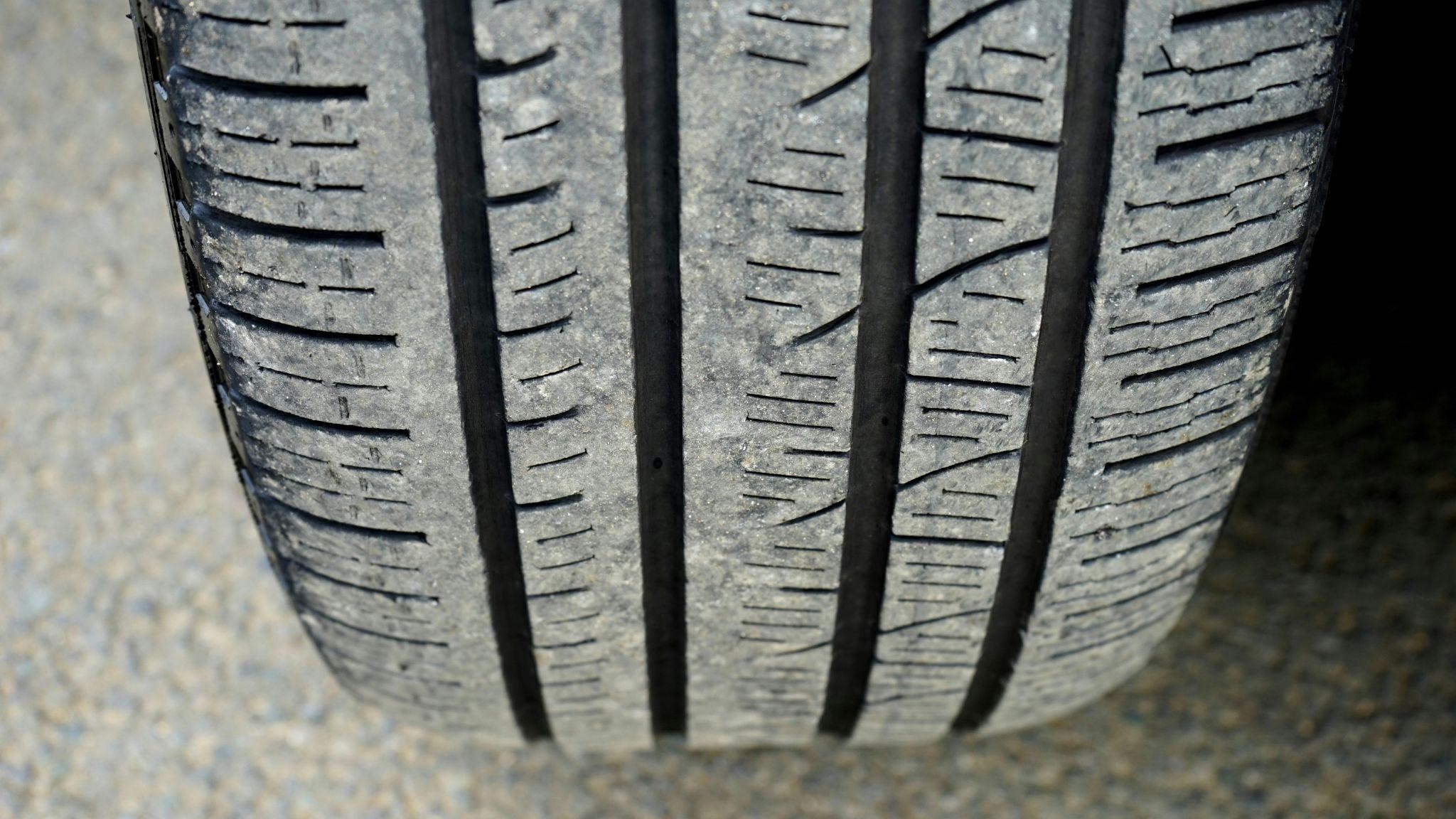
The tread pattern of a tyre directly affects its performance on wet and dry roads like:
- Directional tread improves water dispersion and reduces hydroplaning.
- Asymmetrical tread balances dry handling and wet traction.
- Symmetrical tread offers quieter city driving comfort.
Always check tread depth. New Zealand’s legal minimum is 1.5mm, but replacing tyres before reaching this limit significantly improves safety in heavy rain.
Maintaining proper tread depth is also crucial, as worn tyres increase stopping distances and reduce overall road safety. Choosing the right tread pattern ensures tyres perform effectively in all weather conditions.
5. Load and Speed Ratings
Every tyre includes a load index and speed rating. These ratings determine how much weight the tyre can carry and the maximum safe speed.
Using incorrect ratings can result in:
- Uneven wear
- Poor fuel efficiency
- Compromised handling
- Safety risks
Always match or exceed the manufacturer’s recommended ratings.
6. Fuel Efficiency and Ride Comfort
Tyres also impact fuel efficiency and the comfort of your driving experience. Low rolling resistance tyres can help reduce fuel consumption, saving money over time, while softer tyre compounds absorb road imperfections, offering a smoother ride.
For Auckland drivers, where city streets can be busy and uneven in some areas, balancing comfort with efficiency is important. Investing in tyres that provide both ensures a more enjoyable and economical drive.
7. Balancing Budget and Quality
While it may be tempting to opt for cheaper tyres, investing in high-quality tyres provides:
- Wear faster
- Offer weaker wet grip
- Increase fuel consumption
Investing in high-quality tyres delivers better longevity, safety, and performance. Many reputable tyre suppliers in Auckland provide:
- Professional fitting
- Wheel alignment
- Tyre balancing
- Safety checks
- Ongoing maintenance services
Choosing a supplier that offers complete tyre services ensures your tyres perform at their best throughout their lifespan.
8. Researching Brands and Reviews
Before making a purchase, it is wise to research tyre brands and read customer reviews. Trusted brands and reputable Auckland suppliers often provide warranties, technical advice, and tailored recommendations based on local driving conditions. Checking reviews for durability, wet and dry grip, and overall performance helps ensure you choose tyres that meet both your driving needs and safety expectations.
9. Regular Tyre Maintenance
Even the best car tyres in Auckland require consistent maintenance.
Follow this checklist:
- Check tyre pressure monthly
- Rotate tyres every 10,000 km
- Inspect for uneven wear
- Maintain correct wheel alignment
- Balance tyres when installing
Proper maintenance extends tyre life and improves safety in all driving conditions.
Conclusion
Choosing the right car tyres in Auckland drivers can rely on involves more than selecting a brand or model. It requires understanding local roads, weather, and driving habits, selecting the correct type and size, ensuring proper tread and grip, and maintaining tyres carefully. Investing in quality tyres and keeping up with regular maintenance ensures safer, more comfortable, and efficient driving throughout Auckland and beyond, giving you confidence every time you hit the road.