

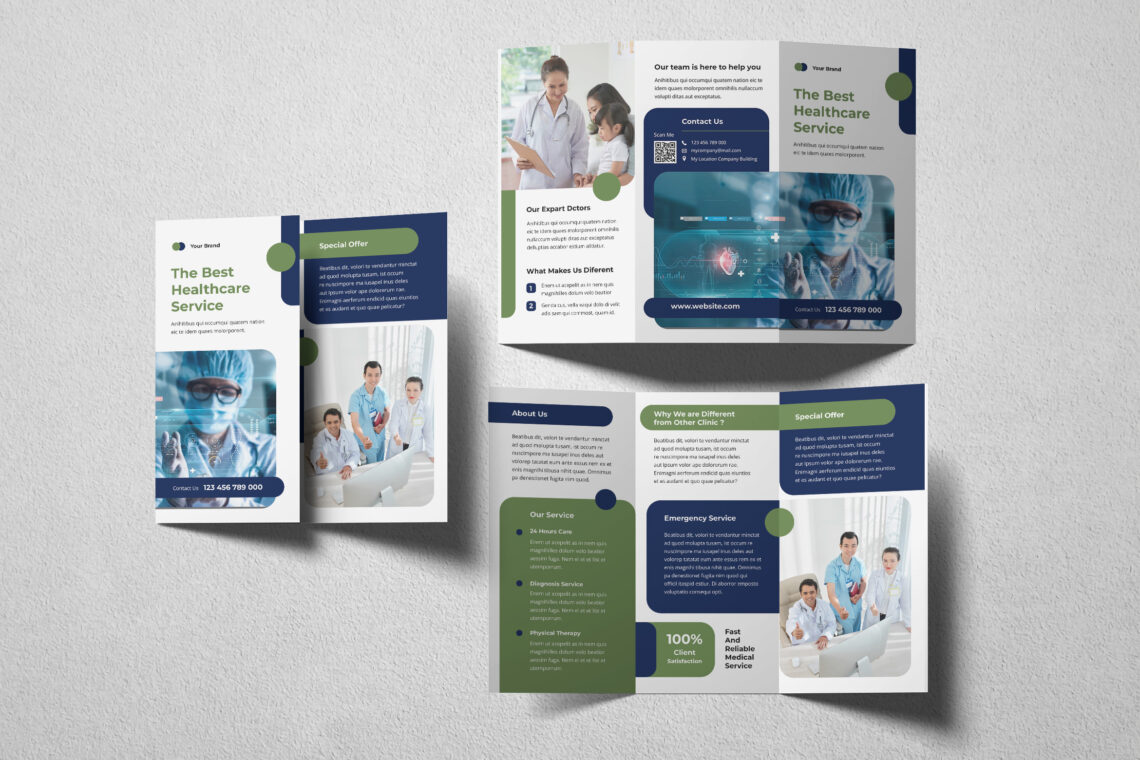
10 Tips for Effective Graphic Design (That Actually Work)
Introduction
What makes a design truly stand out—and more importantly, work? Whether you’re creating a brochure, social media post, or website, good design isn’t just about looking pretty. It’s about communication, clarity, and impact.
Effective graphic design blends creativity with strategy. Studies show that users form an opinion about a design in just 50 milliseconds, meaning your visuals must grab attention instantly. But beyond that first impression, your design must guide, inform, and persuade.
If you’re a beginner or looking to sharpen your skills, this guide covers practical, easy-to-apply strategies. From layout techniques to typography and color choices, these tips will help you design with confidence and purpose—especially when creating brochures or marketing materials.
 Beginner’s Guide to Graphic Design
1. Understand Your Purpose and Audience
Before opening any design software, define your goal. Are you trying to inform, sell, or inspire?
Ask yourself:
- Who is my target audience?
- What action do I want them to take?
For example, brochure design ideas for a luxury brand will differ greatly from a local event flyer. Understanding your audience helps shape tone, color, and layout decisions.
2. Master Visual Hierarchy
Visual hierarchy tells viewers where to look first.
Use:
- Larger fonts for headlines
- Bold colors for key elements
- Spacing to separate sections
According to research by the Nielsen Norman Group, users scan content rather than read it fully. A strong hierarchy ensures your message gets across quickly.
3. Keep It Simple (Avoid Clutter)
One of the biggest graphic design mistakes to avoid is overloading your design.
Stick to:
- 2–3 fonts
- 2–4 colors
- Minimal text
White space is your friend—it improves readability and focus. Simplicity is a core principle of visual design best practices.
4. Choose the Right Color Scheme
Color affects emotions and decisions.
Examples:
- Blue = trust and professionalism
- Red = urgency and excitement
- Green = growth and calm
When selecting color schemes for effective brochures:
- Use contrast for readability
- Maintain consistency across pages
👉 External resource: Color psychology basics (https://www.interaction-design.org/literature/topics/color-psychology)
5. Use Typography Effectively
Typography can make or break your design.
Typography tips for brochures:
- Use readable fonts (avoid overly decorative ones)
- Maintain proper line spacing
- Pair fonts carefully (e.g., serif + sans-serif)
Good typography improves user experience and reinforces your brand voice.
6. Apply Smart Layout Design Techniques
A strong layout keeps your design organized and easy to follow.
Popular layout design techniques:
- Grid systems for alignment
- Rule of thirds for balance
- Z-pattern layout for brochures
These techniques guide the viewer’s eye naturally across your design.
7. Focus on Consistency
Consistency builds trust and professionalism.
Keep consistent:
- Colors
- Fonts
- Icon styles
- Spacing
This is especially important when designing multi-page brochures or brand materials.
8. Use High-Quality Images and Graphics
Blurry or low-resolution images instantly reduce credibility.
Tips:
- Use high-resolution images (300 DPI for print)
- Choose visuals that support your message
- Avoid generic stock photos when possible
👉 External resource: Free high-quality images (https://unsplash.com)
9. Choose the Right Design Software
Your tools matter—but they don’t need to be expensive.
Popular design software for brochures:
- Adobe Illustrator (professional vector design)
- Canva (beginner-friendly)
- Figma (collaborative design)
Choose based on your skill level and project needs.
10. Test and Get Feedback
Even great designers need feedback.
Before finalizing:
- Ask peers or clients for input
- Test readability and clarity
- Print a sample (for brochures)
According to Adobe, iterative design improves outcomes significantly.
How to Design a Brochure (Quick Workflow)
If you’re specifically creating a brochure, follow this process:
- Define purpose and audience
- Sketch layout ideas
- Choose colors and fonts
- Add content and visuals
- Review and refine
Looking for inspiration? Search for creative brochure design examples to spark ideas.
How to Choose the Right Color Palette
FAQ’s
1. What are the key elements of effective graphic design?
Effective graphic design includes balance, contrast, alignment, hierarchy, and consistency. These elements work together to create visually appealing and functional designs. A strong understanding of these basics ensures your message is clear and engaging.
2. How can beginners improve their graphic design skills?
Beginners should focus on learning design principles, practicing regularly, and studying great designs. Start with simple projects like brochures and gradually explore more complex designs. Using beginner-friendly tools like Canva can also help build confidence.
3. What are common graphic design mistakes to avoid?
Common mistakes include cluttered layouts, poor font choices, inconsistent styles, and low-quality images. Avoid using too many colors or fonts, and always prioritize readability and clarity in your designs.
4. How do I choose the right color scheme for a brochure?
Select colors based on your brand and audience. Use contrasting colors for readability and limit your palette to 2–4 shades. Tools like color wheels can help you find complementary combinations.
5. Which software is best for designing brochures?
Adobe Illustrator is ideal for professionals, while Canva is great for beginners. Figma is excellent for collaboration. The best tool depends on your experience level and project requirements.
Conclusion
Creating effective graphic design isn’t about following trends—it’s about understanding principles and applying them with purpose. From mastering layout design techniques to choosing the right typography and colors, each decision plays a role in how your audience experiences your work.
Start small, stay consistent, and keep improving with every project. The more you practice, the more intuitive great design will become.
Top Branding Tips for Small Businesses
Ready to elevate your designs? Pick one tip from this list and apply it today. Which one will you start with?