

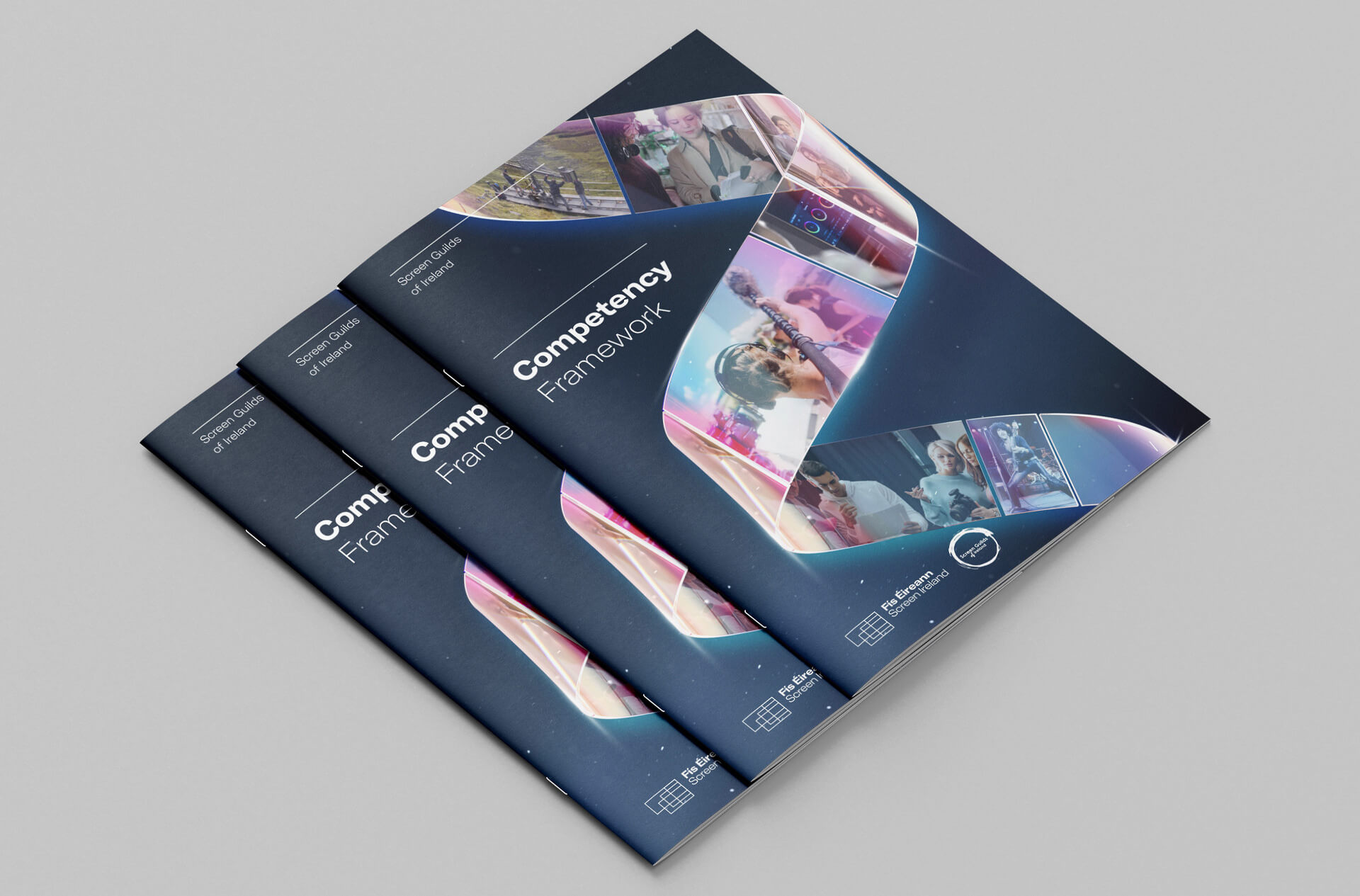
How to Create Stunning Brochure for Business (Step-by-Step Guide)
Introduction
What’s the first thing a potential customer notices about your business? In many cases, it’s your marketing materials—and brochures still play a powerful role. Studies show that print marketing materials can increase brand recall by up to 70%, making them a valuable tool for business growth.
If you want to create stunning brochure for business, you need more than just good visuals. You need strategy, branding, and clear messaging that connects with your audience. A well-designed brochure doesn’t just inform—it persuades, builds trust, and drives action.
In this guide, you’ll learn exactly how to design brochures that stand out, convert readers into customers, and strengthen your brand identity. Whether you’re a small business owner or part of a marketing team, these practical steps will help you create brochures that truly deliver results.
 Top Branding Strategies for Small Businesses
Why Brochures Still Matter in Business Marketing
Brochures remain one of the most effective business marketing tools. Unlike digital ads that disappear quickly, brochures provide a tangible experience customers can hold onto.
Key Benefits:
- Builds credibility and professionalism
- Supports offline and in-person business advertising
- Reinforces your brand identity
- Easy to distribute at events, stores, or meetings
According to the Data & Marketing Association, print materials often achieve higher engagement rates than digital channels.
Step-by-Step: Create Stunning Brochure for Business
1. Define Your Purpose and Audience
Before starting any brochure design, ask:
- Who is this brochure for?
- What action do I want readers to take?
A brochure aimed at corporate clients will look very different from one targeting local customers. Clear goals guide every design decision.
2. Choose the Right Brochure Format
Different formats suit different goals:
Common Types:
- Bi-fold: Simple and professional
- Tri-fold: Most popular for marketing materials
- Z-fold: Great for storytelling layouts
- Booklet: Ideal for detailed custom brochures
Your format should match your content length and audience expectations.
3. Craft Compelling Content
Strong content is the backbone of any effective brochure.
What to Include:
- Clear headline
- Value proposition
- Key benefits (not just features)
- Call-to-action (CTA)
Keep your language simple and persuasive. Avoid clutter and focus on what matters most to your audience.
4. Focus on Visual Hierarchy
Good graphic design services emphasize structure.
Design Tips:
- Use headings and subheadings
- Highlight key points with bold text
- Guide readers’ eyes using layout flow
A clean layout helps readers quickly understand your message.
Best Graphic Design Tools for Beginners
5. Use High-Quality Images and Graphics
Blurry or generic images can hurt your credibility.
Best Practices:
- Use professional photos
- Maintain consistent style
- Align visuals with your branding
Visuals should support your message—not distract from it.
6. Choose Colors and Fonts Carefully
Your color palette and typography should reflect your brand.
Tips:
- Stick to 2–3 main colors
- Use readable fonts
- Maintain consistency across all marketing materials
Consistent design builds trust and recognition.
7. Add a Strong Call-to-Action (CTA)
Every brochure should guide the reader toward action.
Examples:
- “Call us today”
- “Visit our website”
- “Get a free quote”
Make your CTA clear, visible, and compelling.
8. Optimize for Print Quality
Designing is only half the job—brochure printing matters just as much.
Printing Tips:
- Use high-resolution files (300 DPI)
- Choose quality paper stock
- Consider finishes like matte or gloss
Professional printing enhances the overall impact of your brochure.
Common Mistakes to Avoid
When trying to create stunning brochure for business, avoid these pitfalls:
- Overloading with text
- Using inconsistent branding
- Ignoring whitespace
- Weak or missing CTA
- Poor print quality
Simple, clean, and focused designs always perform better.
Tools & Services to Design Professional Brochures
If you’re not a designer, don’t worry—many tools can help.
DIY Tools:
- Canva
- Adobe Express
Professional Options:
- Freelance designers
- Agencies offering professional design services
Investing in expert help can significantly improve your results.
FAQ Section
1. What makes a brochure design effective?
An effective brochure combines clear messaging, strong visuals, and a compelling call-to-action. It should be easy to read, visually appealing, and aligned with your brand identity. Focus on benefits rather than features and guide the reader toward a specific action.
2. How much does it cost to design a brochure?
Costs vary depending on complexity. DIY tools can be free or low-cost, while professional graphic design services may range from $50 to $500+ per design. Printing costs depend on paper quality, quantity, and finish.
3. What size is best for business brochures?
The most common size is 8.5” x 11” (tri-fold), as it balances readability and portability. However, the best size depends on your content and distribution method. Larger formats work well for detailed information.
4. Should I hire a professional designer?
If your budget allows, hiring professional design services can significantly improve quality. Designers understand layout, branding, and print requirements, ensuring your brochure looks polished and effective.
5. How do I distribute my brochures effectively?
You can distribute brochures at events, retail locations, direct mail campaigns, or in meetings. Combining physical distribution with digital sharing (PDF versions) increases reach and effectiveness.
How to Build a Winning Marketing Strategy
Conclusion
To create stunning brochure for business, you need the right mix of strategy, design, and execution. From defining your audience to choosing the perfect layout and ensuring high-quality printing, every step plays a crucial role.
A well-crafted brochure doesn’t just share information—it builds trust, strengthens your brand, and drives real results.