

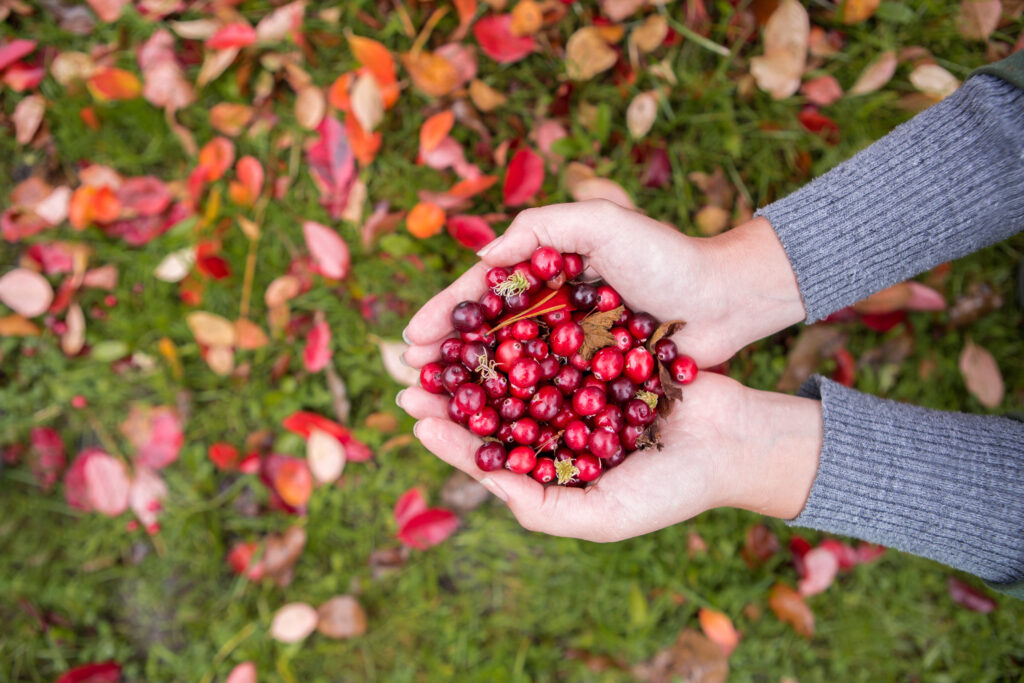
Why Cranberry Bogs Are Unique Habitats
Cranberry bogs are more than just fields of red fruit — they’re living mosaics of water, peat, moss, and low-growing vines. Unlike typical agricultural fields, many cranberry bogs are built on or mimic wetlands, with fluctuating water levels, acidic soils, and dense ground cover. For arachnids, these conditions create a special neighborhood full of microhabitats: soggy hollows, drier hummocks, root tangles, and the threadlike runners of the cranberry plant itself. If a spider were human, a bog would be a mixed-use neighborhood — sometimes wetland park, sometimes apartment complex, sometimes a maze of alleyways perfect for hunting.
What We Mean by “Cranberry Bog Spiders”
“Cranberry bog spiders” isn’t a formal taxonomic group — it’s a functional label for the spider species that commonly use cranberry bogs as habitat. Depending on region, that label includes small hunting spiders (like Lycosidae — wolf spiders), sheet-web and ground-dwelling Linyphiidae (money spiders), some Linyphiid and Theridiidae (cobweb), and occasionally larger orb weavers or crab spiders exploiting nearby vegetation. Think of it as a community portrait rather than a single family tree.
Common genera and species found in cranberry bogs
While species vary by geography, bogs often host: small Lycosids hunting along drier hummocks, Linyphiids in low vegetation and moss, and Thomisidae (crab spiders) ambushing prey on flowers. These groups differ in size, behavior, and microhabitat preference — which brings us to the central question: how big are they?
Cranberry bog spiders size — measuring these little hunters
When someone searches “cranberry bog spiders size,” they usually want to know two things: how large are the spiders you’ll find in a bog, and how variable is that size between species, sexes, and life stages?
Adult body length vs. legspan: what counts
Spider size is typically reported as body length (from the front of the cephalothorax to the end of the abdomen) in millimetres — a consistent, comparable measure. But legspan (tip-to-tip across extended legs) often gives a better “impression” of how big a spider looks in the field. For example, a modest 6–8 mm body length wolf spider can have a legspan of 2–3 cm, which looks surprisingly large when it scurries.
Size ranges across sexes and species
In cranberry bogs the size range is broad but skewed small:
- Tiny species (Linyphiidae / “money spiders”): 1.5–4 mm body length. These are ubiquitous in low vegetation and moss mats — tiny, nimble, and often overlooked.
- Small-to-medium hunters (Lycosidae — wolf spiders): 5–12 mm body length in many bog-dwelling species; legspans up to ~30 mm in larger individuals. Females are typically larger-bodied than males.
- Ambush spiders (Thomisidae): 3–8 mm body length for many species that use flower heads and cranberry runners as hunting perches.
- Occasional larger spiders: In some bog edges, you might find orb weavers or other families with 10–18 mm bodies, but these are usually associated with surrounding hedgerows or taller vegetation rather than inside the bog’s low canopy.
Juveniles and seasonal size variation
Juveniles can be fractions the size of adults — newly hatched spiders (spiderlings) can be <1 mm and grow through molts across seasons. Seasonal patterns matter: many species reach adult size in late summer to early autumn, aligning with peak insect activity (and, conveniently for researchers, harvest season in many cranberry operations).
Microhabitats within cranberry bogs
A cranberry bog isn’t uniform. Spiders partition this space finely.
Surface vegetation (sphagnum, vines, cranberry runners)
Sphagnum moss and the interlaced cranberry runners create web-building surfaces and hunting lanes. Tiny Linyphiids build sheet webs beneath runners; crab spiders hide on flowers.
Water margins, hummocks, and peat soil pockets
Drier hummocks (raised tufts of peat or plant matter) are hotspots for ground-hunting wolf spiders. The water margins — wet but stable — can be frequented by semi-aquatic insects and, consequently, the spiders that stalk them.
Behavioral and morphological adaptations to bog life
How do these spiders make a living where water and acidity rule the roost?
Camouflage, hunting strategies, and web-building
Many bog spiders sport muted browns, greys, and cryptic patterns that match peat and dead vegetation — camouflage that reduces predation risk and improves hunting success. Linyphiids use low, dense sheet webs to intercept tiny flies and springtails; wolf spiders rely on speed and sensory hairs to detect vibrations across runners and moss.
Hydrophobic hairs, respiratory adaptations, and mobility
Some spiders possess hydrophobic setae (hairs) allowing them to resist brief wetting and move across damp surfaces without being trapped. Their small size also helps — less surface area means drier microenvironments and quicker heat exchange. Behaviorally, many retreat to drier refuges during inundation.
Role of cranberry bog spiders in bog ecology
Spiders are stealthy regulators — and bogs need them.
Predator–prey dynamics and pest control
Spiders prey on a wide suite of insects, including aphids, thrips, and flightless pests that can impact cranberry plants. A healthy spider community can act as an ecosystem service: natural pest suppression. That said, spider predation is a piece of a complex mosaic that includes parasitoids, predatory beetles, and birds.
Contributions to biodiversity and food webs
Spiders serve as both predators and prey (to birds, frogs, and larger invertebrates). Their presence often signals a complex, functioning habitat — an important metric for ecologists assessing bog health.
Methods for studying size and habitat in the field
If you want reliable data on cranberry bog spiders size and distribution, method matters.
Sampling techniques: pitfall traps, sweep nets, visual surveys
Pitfall traps catch ground-active spiders but bias toward mobile hunters.
Sweep nets are great for low vegetation and runners — useful to sample Linyphiids and small Theridiids.
Visual surveys (timed searches on hummocks and under runners) allow measurement of live individuals and behavioral notes.
Combine methods to reduce sampling bias.
Ethical considerations and minimizing disturbance
Many cranberry bogs are managed agricultural sites. Coordinate with growers, avoid damaging plantings, and consider non-lethal methods where possible. Release captured spiders when measurements and photos are complete.
Threats and conservation concerns for bog-dwelling spiders
Cranberry bog spiders face both traditional agricultural risks and broader environmental pressures.
Habitat loss, pesticide use, and climate pressures
Conversion of natural wetlands to intensified agriculture reduces habitat heterogeneity. Pesticide drift (insecticides and fungicides) can reduce prey availability or cause direct mortality. Climate shifts altering seasonal flooding patterns can disrupt life cycles timed to insect abundance.
Conservation actions and monitoring recommendations
- Promote buffer strips and unmowed margins to provide overwintering refugia.
- Encourage integrated pest management (IPM) to reduce blanket pesticide use.
- Establish long-term monitoring plots to track changes in spider community composition and average sizes across years.
Comparing cranberry bog spiders to upland/forest spiders
Bog spiders often differ in size and life history from their upland cousins.
Differences in size, life history, and predator pressures
Upland spiders might include larger orb-weavers and more arboreal species; bog spiders skew smaller, with many tiny Linyphiids adapted to low-stature vegetation. Predator pressure from birds is often lower inside dense bog stands but higher on edges, shaping size and behavior evolution.
Practical tips for researchers and citizen scientists
Want to help science? Here’s how to collect meaningful size data.
How to record size data reliably
- Use a millimetre-calibrated ruler or digital calipers for body length.
- Photograph the dorsal and lateral sides with a scale bar (coin, ruler).
- Record microhabitat (runner, hummock, moss), date, and time — these covariates matter.
Photographing and preserving voucher specimens
Take clear photos before releasing. If preservation is necessary, follow ethical guidelines: euthanize humanely, store in 70–95% ethanol, and label with location and date for museum or university collections.
Future research directions and unanswered questions
Despite decades of arachnology, many bog-focused questions remain: How do fluctuating water regimes shape species composition over decades? Do pesticide sublethal effects change foraging efficiency and, consequently, effective body condition? Is there cryptic speciation among visually similar bog Linyphiids? These are exciting gaps for grad students and collaborators.
Conclusion
Cranberry bogs host a fascinating, often underappreciated suite of spiders. When people ask about cranberry bog spiders size, they’re touching a window into ecology: size correlates with life history, microhabitat use, and ecological role. From tiny Linyphiids hiding in moss to robust wolf spiders patrolling hummocks, the bog community is diverse, dynamic, and important for ecosystem health and pest control. If you’re studying these spiders or just curious, remember: accurate measurements (body length + legspan) paired with habitat notes will tell the richest story.
Frequently Asked Questions (FAQs)
Q1: What is the average size of spiders found inside cranberry bogs?
A1: Most bog-dwelling spiders are small; many Linyphiids and crab spiders range between 1.5–8 mm body length. Ground-hunting wolf spiders are often 5–12 mm, with legspans that make them appear larger.
Q2: Can spider size tell me anything about their role in the bog ecosystem?
A2: Yes — smaller spiders (1–4 mm) tend to feed on tiny arthropods like springtails and small flies, while larger ones (5+ mm) can tackle bigger pests. Size influences prey choice, mobility, and vulnerability to predators.
Q3: How should I measure a spider to report its size correctly?
A3: Measure body length (cephalothorax to abdomen tip) using calipers or a millimetre ruler; photograph with a scale for legspan estimates. Note sex, life stage, and microhabitat.
Q4: Do cranberry bog spiders help control cranberry pests?
A4: They can contribute to pest suppression by preying on pest insects, but their impact varies with species composition, pesticide use, and environmental conditions. They’re one component of a broader biological control network.
Q5: Are cranberry bog spiders at risk from farming practices?
A5: Yes — intensive pesticide use, drainage, or conversion of bog margins can reduce spider abundance and diversity. Conservation-friendly practices like buffer strips and targeted pest control help maintain healthy spider communities.
Discover the fascinating world of cranberry bog spiders—their size, habitat, and unique role in wetland ecosystems. Dive into nature’s hidden marvels today!