

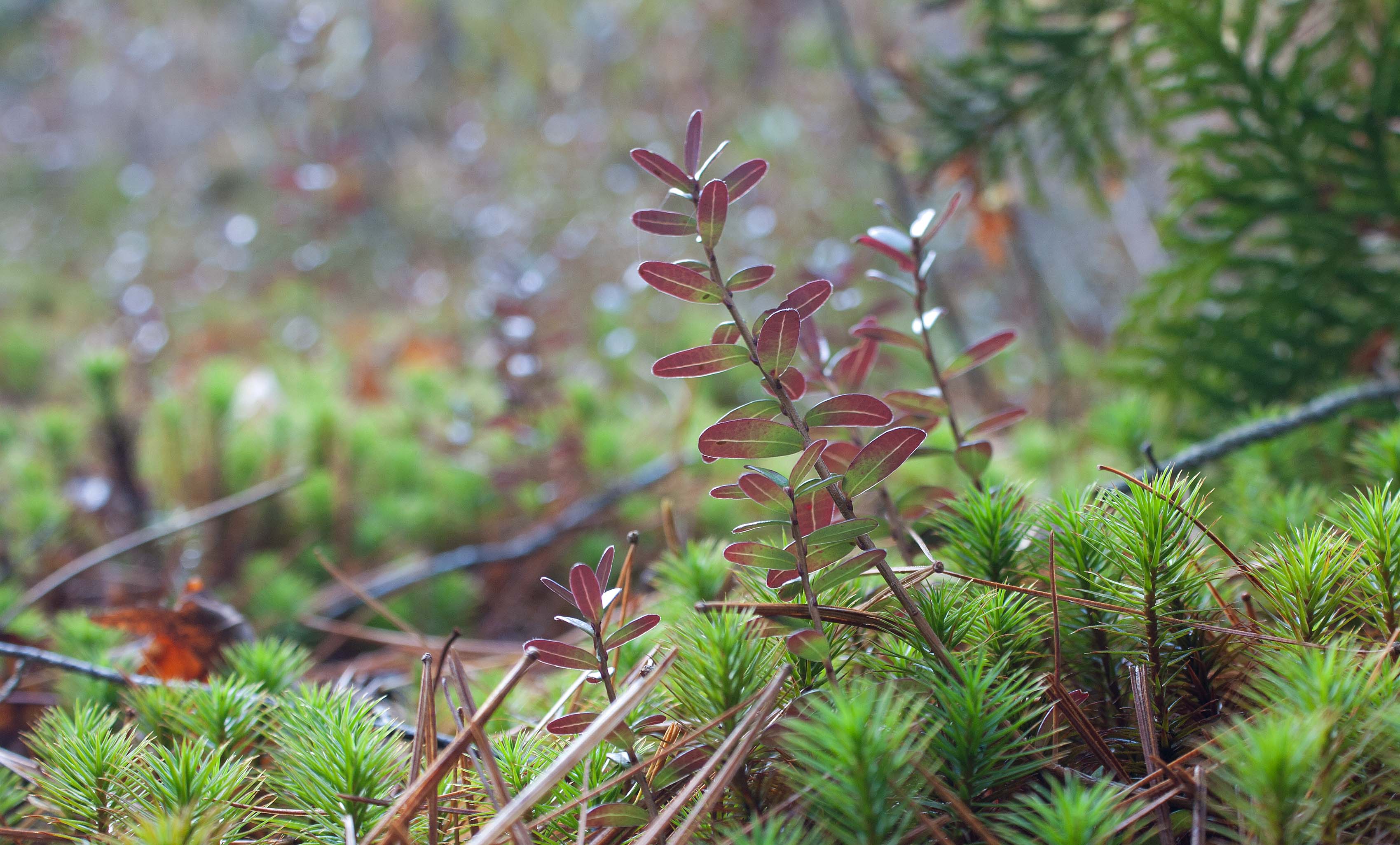
Welcome to a soft-mud world you probably walk past without noticing: cranberry fields at sunrise, their flooded beds reflecting the sky like a mosaic. Tucked into that wet tapestry are small but crucial predators — the bog spiders. If you’re a biologist, zoologist, or ecologist, you already know how little things can steer whole ecosystems. This article dives into bog spiders cranberry fields — who they are, how they live, their ecological roles, and why growers and scientists should pay attention. Think of this as a field guide and an ode to overlooked biodiversity — short, practical, and scientifically flavoured but friendly enough to read over a coffee.
Why cranberry fields are special habitats
Cranberry beds are not your garden pond. They are agricultural wetlands — designed, flooded, and drained on schedule — with dense beds of Vaccinium vines, standing water, and a complex micro-topography of mounds and channels. These conditions create a mosaic of microhabitats: emergent plants, shallow water, drier hummocks, and periodic floods. For spiders, that heterogeneity is gold: it creates niches for both hunters and web-builders, for moisture-loving species and those that need drier refuges. In short, cranberry fields are managed wetlands that, when managed sensitively, can host surprising biodiversity including specialized spiders adapted to soggy life.
Meet the bog spiders
The term “bog spiders” refers broadly to spider species commonly found in peatlands, marshes, and cultivated bogs like cranberry fields. They are not a single taxonomic group — instead, several families turn up in these habitats (for example, wolf spiders, sheet-web spiders, and fishing spiders in many regions). What unites them ecologically is their affinity for saturated ground and edges between water and plant cover. These spiders are small-to-medium predators that use a mix of stealth, speed, and web architecture to catch prey in a place where water is always part of the picture.
Taxonomy and common species found
For ecologists working in boggy agricultural landscapes, you’ll typically encounter species from families such as Lycosidae (wolf spiders), Pisauridae (nursery web/fishing spiders), Linyphiidae (sheet web spiders), and sometimes Araneidae (orb weavers) near drier edges. Rather than memorizing Latin names, focus on functional groups: active hunters (cursorial), ambush specialists, and web-builders. In cranberry beds, wolf and fishing-spider relatives are often the most obvious because they move across wet substrates and even across the surface tension of water when needed.
Key adaptations to bog life
Living in waterlogged terrain requires a few tricks. Bog spiders often show dense hydrophobic body hairs that trap air (helpful during brief submersion), strong legs for moving on uneven, sometimes floating vegetation, and behaviors that let them retreat to drier pockets during flooding or colder months. Some species time life events — reproduction, growth — to the seasonal water regime of the bog. Think of these adaptations like a diver’s wet suit: small morphology plus flexible behaviour equals survival in a wet, changeable world.
Behavior and life cycle
Behavior in bog spiders is tuned to rhythm: daily micro-movements for prey, seasonal reproduction, and migration between wetter and drier micro-sites. Many species are most active in dusk or dawn when insect prey (midges, mosquitoes, small beetles) emerge. Life cycles are often synchronized with the seasonal flooding schedule in cranberry agriculture — egg-laying, juvenile growth, and adult activity often peak in warm months when insect abundance is highest.
Mating strategies and courtship
Spider courtship is fascinating: some male spiders perform vibratory signals on vegetation or pluck web strands; others use chase-and-capture rituals. In bog habitats, courtship can be tricky because water and wind distort signals. So you’ll find more tactile and visual cues, short bursts of movement on emergent stems, or guarded courtship near drier hummocks. For field ecologists, watching these displays can reveal which microhabitats are used for reproduction.
Egg sacs, development, and seasonality
Females often lay egg sacs in sheltered spots — under leaf litter on hummocks, inside thick plant clumps, or attached to stems above expected flood levels. The timing is adaptive: eggs are typically laid so that vulnerable early stages avoid peak inundation. Juveniles may overwinter in protected micro-sites or as subadults, emerging as adults when insects are abundant again. Seasonality matters: shifts in water management (e.g., earlier draining) can misalign spider life cycles with food availability.
How bog spiders survive waterlogged environments
Survival is a blend of anatomy and craft. Many bog spiders avoid drowning by selecting refuges, using hydrophobic hairs to keep air close to the body if submerged briefly, and by climbing emergent vegetation. Behaviours like standing on leaf surfaces, running across floating mats, or sheltering in root tangles let them persist where other arthropods struggle. It’s not magic — it’s adaptation plus opportunism.
Respiratory and morphological adaptations
Spiders lack gills but can trap thin air layers with dense setae (hairs) and minimize gas exchange losses during short immersions. Some have flattened bodies or long legs to distribute weight on soft surfaces. Eye placement and reflective cuticles also help hunting in low light when fog and surface water scatter light. In short, morphology supports a lifestyle that mixes water contact and terrestrial hunting.
Web-building vs hunting strategies
In a cranberry bed, you’ll find both stealthy sit-and-wait predators and those that spin delicate sheet webs among plant stems. Sheet-web spiders exploit the structural complexity of vine mats to build bridges and traps, while hunting spiders dash across surfaces or hide under floating debris to ambush prey. The balance between these strategies shapes local prey communities and influences how spiders contribute to pest suppression.
Ecology and role in the cranberry bog ecosystem
What do bog spiders do for a cranberry field? They are mid-level predators — they eat herbivorous insects (some of which are pest species), smaller predators, and detritivores. By controlling herbivore numbers, they provide a natural pest-suppression service. They also serve as prey for birds and amphibians, linking aquatic and terrestrial food webs. In short, bog spiders are ecological connectors — tiny, efficient, and quietly important.
Predation and prey dynamics
Prey in cranberry habitats includes mosquito and midge larvae/adults, small beetles, aphids, and dipterans that deploy over wet surfaces. Spiders reduce larval and adult densities by preying on emerging insects and adults resting on vegetation. Their predation is density-dependent: where insect outbreaks occur, spider activity can ramp up and reduce pest pressure — a classic top-down effect in food webs.
Indirect plant interactions & benefits to growers
By keeping chewing and sap-feeding insect numbers in check, spiders indirectly reduce plant stress and potential yield losses. They can be a natural complement to IPM strategies: when growers reduce broad-spectrum insecticides and maintain habitat complexity (edge vegetation, ditches, and refuges), spider populations thrive and provide sustained pest control. Think of them as small-scale ecosystem engineers: not planting cranberry vines themselves, but keeping the insect community in balance.
Research methods: studying spiders in cranberry fields
Ecologists study these spiders with a mix of techniques: pitfall traps (for ground-active hunters), sweep nets (for vegetation dwellers), visual transects at dawn/dusk, and targeted observations for reproductive behaviours. Light traps might reveal nocturnal prey abundance. Sampling should be paired with microhabitat notes: moisture level, plant density, and flood timing. Proper metadata helps convert raw counts into ecological insight.
Ethical and conservation considerations
When sampling, minimize collateral damage: use few, properly located pitfalls and return non-target animals if possible. Coordinate with growers to avoid disturbing harvest schedules or contaminating crops. And remember: research should aim to inform conservation and sustainable agriculture — not just collect specimens. Respect for both people and place makes the work useful and durable.
Importance to farmers & integrated pest management (IPM)
How should a grower think about bog spiders? As allies. Sustainable IPM leverages natural enemies, habitat management, and judicious chemical use. Simple practices — maintaining vegetated margins, avoiding unnecessary broad-spectrum insecticides, and timing treatments to avoid peak spider activity — boost spider populations and long-term pest suppression. Communicating these benefits to growers makes ecological sense and economic sense.
Conservation status & threats
Bog spider populations face threats when bogs are drained, simplified, or heavily sprayed. Pesticide drift and regular flooding at the wrong times can decimate local communities. Climate shifts that alter phenology (timing of floods and insect emergence) also pose risk. Conservation in agricultural wetlands means balancing production and biodiversity: targeted management can keep both goals within reach.
Citizen science and monitoring
Want to help? Citizen science projects can include spider photo-submissions, timed sweep-net surveys, and simple presence/absence logs. For volunteers, the key is consistent protocol and clear metadata: date, time, exact location, weather, and microhabitat notes. Even basic smartphone photos with scale (ruler or finger) are incredibly useful for scientists.
Monitoring protocols and simple ID tips
Keep it simple: record date/time, whether the spider was on water, plant stem, or hummock, and upload 2–3 clear photos (dorsal and side views if possible). Note approximate size and behavior (running, web-building, sitting). Use common-field guides to group specimens into buckets: “wolf-like runner,” “sheet-web cluster,” or “long-legged fishing spider.” That’s enough to begin meaningful datasets.
Practical field ID guide
Quick ID rules of thumb: if it runs fast across open surfaces and has a stout body → wolf/ground hunter. If it sits on stems with a horizontal web → sheet-web (Linyphiidae-like). If it sits with long legs near water or swims → fishing/nursery-web types. Capture only if necessary and with permits; otherwise photograph and release. Over time, repeated observations will teach you which species dominate which micro-sites.
Conclusion
Bog spiders are small but mighty: adapted for a soggy niche, influential in pest dynamics, and accessible to study by professionals and citizen scientists alike. For ecologists and growers working at the interface of agriculture and wetland ecology, these spiders are a reminder that biodiversity and production need not be enemies. By understanding bog spiders cranberry fields — their life cycles, roles, and vulnerabilities — we can design management that supports both healthy crops and healthy ecosystems. So next time you walk a cranberry bog, look down: you may be stepping in the middle of an entire micro-universe.
FAQs
Q1. Are bog spiders harmful to cranberry crops or humans?
No — bog spiders are not harmful to crops and rarely bite humans except in self-defense; they are beneficial predators in cranberry ecosystems.
Q2. How can growers encourage spider populations in cranberry fields?
Maintain vegetated margins, reduce broad-spectrum insecticide use, create refuges (drier hummocks), and time flood/drain cycles with awareness of spider life stages.
Q3. Can I document bog spiders for science with my phone?
Absolutely. Clear photos with scale, date, location, and a short habitat note are very useful. Join a local citizen science project to submit records.
Q4. Do spiders reduce common cranberry pests?
Yes — spiders prey on many small insects that can be pests or pest vectors, contributing to natural pest suppression as part of IPM.
Q5. When is the best time to survey spiders in cranberry fields?
Dawn and dusk in warm months are often productive; pair visual surveys with sweep-netting and pitfall traps for a fuller picture. Avoid sampling immediately after pesticide applications.
Uncover the fascinating world of bog spiders in cranberry fields—tiny predators shaping wetland ecosystems. Dive into their hidden role today!