

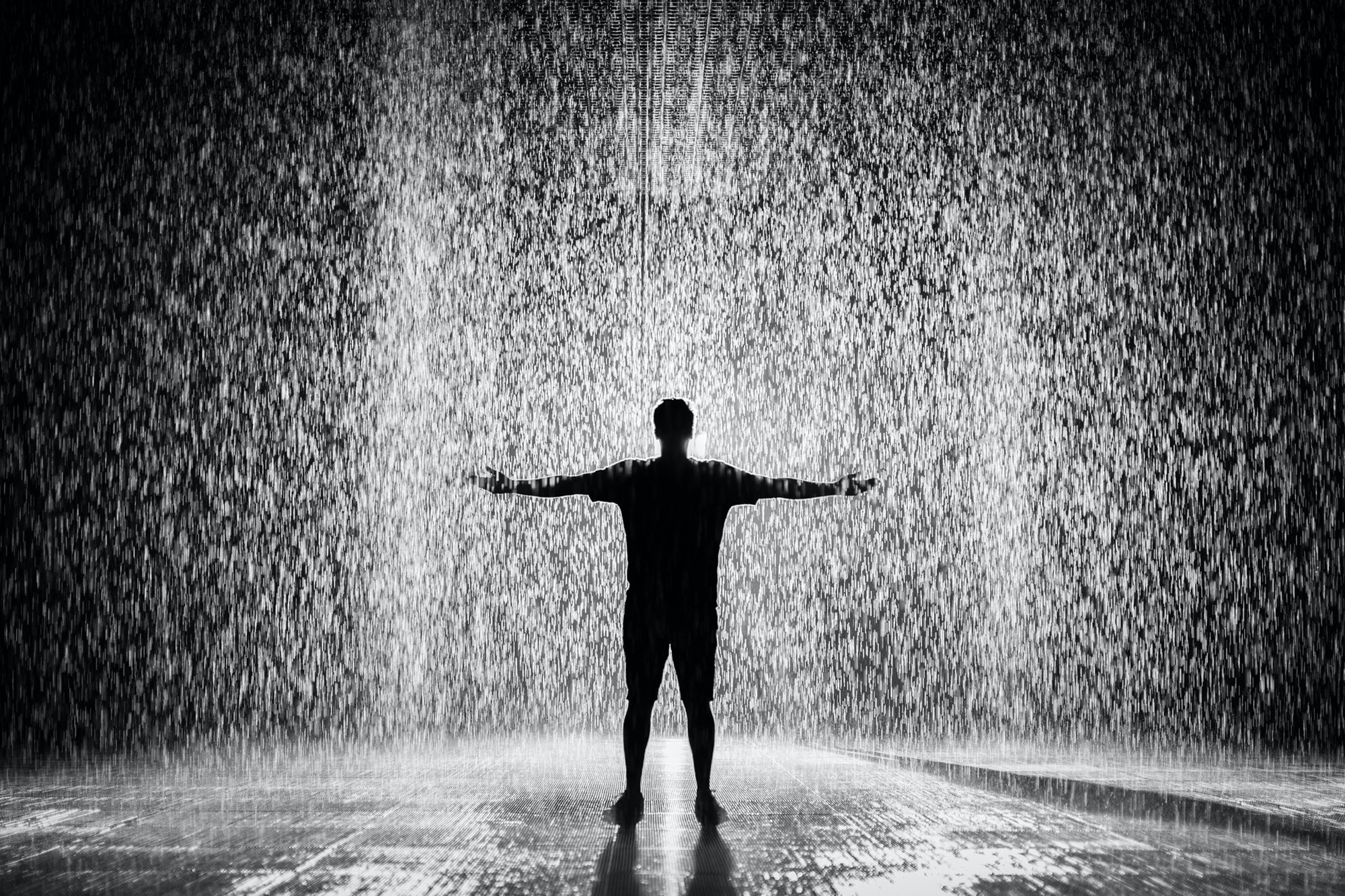
Tips for Rain Photography
Introduction
Have you ever noticed how rain can transform an ordinary scene into something magical? Rain photography offers a unique way to capture mood, movement, and reflections that are impossible on a sunny day. Whether it’s the soft blur of falling drops or the shimmer of puddles, rainy moments provide endless creative possibilities.
If you’re wondering how to start, this guide will teach you everything about rain photography, from the basics to advanced techniques. Even a smartphone can capture breathtaking rainy scenes if you know the right approach. For beginners, rain photography can seem challenging due to low light, motion blur, and water hazards—but with the right tips, anyone can shoot stunning rain photos safely.
In this article, you’ll learn practical methods like how to take rain photography with a smartphone, the best camera settings for rainy conditions, creative slow-shutter techniques, and even how to shoot at night. By the end, you’ll feel confident turning a gloomy day into a photography opportunity.
Essential Rain Photography Tips
1. How to Take Rain Photography with a Smartphone
Smartphones today have surprisingly powerful cameras, making them ideal for rainy day shoots. Use these tips:
- Enable HDR mode to balance exposure between dark skies and reflective puddles.
- Use a protective case or plastic cover to shield your device.
- Tap to focus on raindrops or reflections for sharper images.
- Shoot in burst mode to capture moving raindrops.
2. Rain Photography Tips for Beginners
For beginners, simplicity is key:
- Start with static subjects like umbrellas, wet streets, or reflections.
- Experiment with angles—shoot from low perspectives to highlight puddles.
- Keep ISO low to reduce noise in dim light.
Remember, the goal is to practice observing how rain affects light and texture, rather than perfecting complex techniques right away.
3. How to Shoot Rain Photos at Night
Night rain photography creates stunning reflections and dramatic lighting:
- Use a tripod to avoid camera shake with slow shutter speeds.
- Capture streetlights reflecting off wet pavement for vibrant colors.
- Try longer exposures to create light trails from cars.
External link suggestion: Reference Photography Life’s night photography guide.
4. Easy Rain Photography Ideas for Beginners
- Capture raindrops on windows or glasses.
- Photograph wet leaves or flowers for vibrant, natural colors.
- Experiment with puddle reflections for symmetry.
These easy ideas help beginners build confidence while producing visually striking images.
5. How to Capture Raindrops on Glass Photography
Close-up shots of raindrops can be mesmerizing:
- Use macro mode or a lens attachment for smartphones.
- Focus on individual drops, letting the background blur.
- Experiment with light from behind to highlight textures.
6. Best Camera Settings for Rain Photography
To nail your shots in wet conditions:
- Shutter speed: Adjust depending on effect—fast for frozen raindrops, slow for motion blur.
- Aperture: Use wide apertures for shallow depth of field; smaller apertures for cityscapes.
- ISO: Keep it as low as possible to reduce noise.
 Camera Settings Guide for Beginners
7. Rain Photography Camera Settings & Shutter Speed Tips
- Fast shutter speed (1/500–1/1000s): Freeze raindrops mid-air.
- Slow shutter speed (1–2s): Create motion blur for dynamic movement.
- Tripod: Essential for longer exposures to prevent camera shake.
8. How to Photograph Falling Rain Creatively
- Use backlighting to highlight rain streaks.
- Incorporate reflections in puddles or wet surfaces.
- Combine motion blur with stationary objects for contrast.
9. Slow Shutter Speed Rain Photography Tips
Slow shutter speeds can create stunning rain effects:
- Use a tripod or stabilize on a surface.
- Experiment with 1–2 seconds exposures for subtle streaks.
- Slightly underexpose to prevent blown-out highlights in reflections.
10. How to Capture Motion Blur Rain Photography
Motion blur adds energy to rainy scenes:
- Move the camera slightly during exposure for creative streaks.
- Capture cars or people in motion for dynamic storytelling.
11. How to Avoid Blurry Rain Photos
- Use fast shutter speeds when shooting handheld.
- Stabilize your camera on a tripod or flat surface.
- Focus carefully on the main subject—raindrops can trick autofocus.
12. Why Rain Photos Look Foggy and How to Fix It
Foggy rain photos usually result from condensation or mist:
- Wipe your lens frequently with a microfiber cloth.
- Use lens hoods to prevent droplets from sticking.
- Avoid sudden temperature changes that create condensation.
13. How to Protect Camera in Rain Photography
- Use rain covers or waterproof bags.
- Keep silica gel packs nearby to absorb moisture.
- Avoid changing lenses outdoors if possible.
External link suggestion: Link to B&H Photo waterproof gear.
14. How to Focus Camera in Heavy Rain
- Switch to manual focus for precision.
- Use center-point autofocus on strong contrasts.
- Focus on nearby subjects if raindrops obscure distant objects.
FAQ’s
1. Can I take good rain photos with a smartphone?
Yes! Modern smartphones have advanced cameras. Use HDR, burst mode, and protective cases. Tap to focus on raindrops or reflections for best results.
2. What is the best shutter speed for rain photography?
Fast shutter speeds (1/500–1/1000s) freeze rain, while slow speeds (1–2s) create motion blur. Tripods are essential for longer exposures.
3. How do I avoid blurry rain photos?
Use a tripod or stabilize your camera, keep shutter speed fast when handheld, and focus carefully on your main subject.
4. How can I photograph raindrops on glass effectively?
Use macro mode or lens attachments, focus on individual drops, and let the background blur. Backlighting enhances texture.
5. How do I protect my camera in the rain?
Use rain covers, waterproof bags, and silica gel packs. Avoid changing lenses outdoors, and wipe the lens frequently to prevent fog.
Conclusion
Rain photography opens the door to a world of creativity, capturing moods, reflections, and movement that sunny days can’t provide. From beginner-friendly tips like puddle reflections and smartphone techniques, to advanced methods like slow shutter speed and night photography, rainy days become exciting photo opportunities.
Remember, preparation is key: protect your gear, experiment with camera settings, and practice observing how light interacts with water. Start small, shoot often, and you’ll soon master capturing rain in all its glory.
So grab your camera or smartphone the next time it rains and see the world in a fresh, reflective light. Which rainy scene will you capture first?