

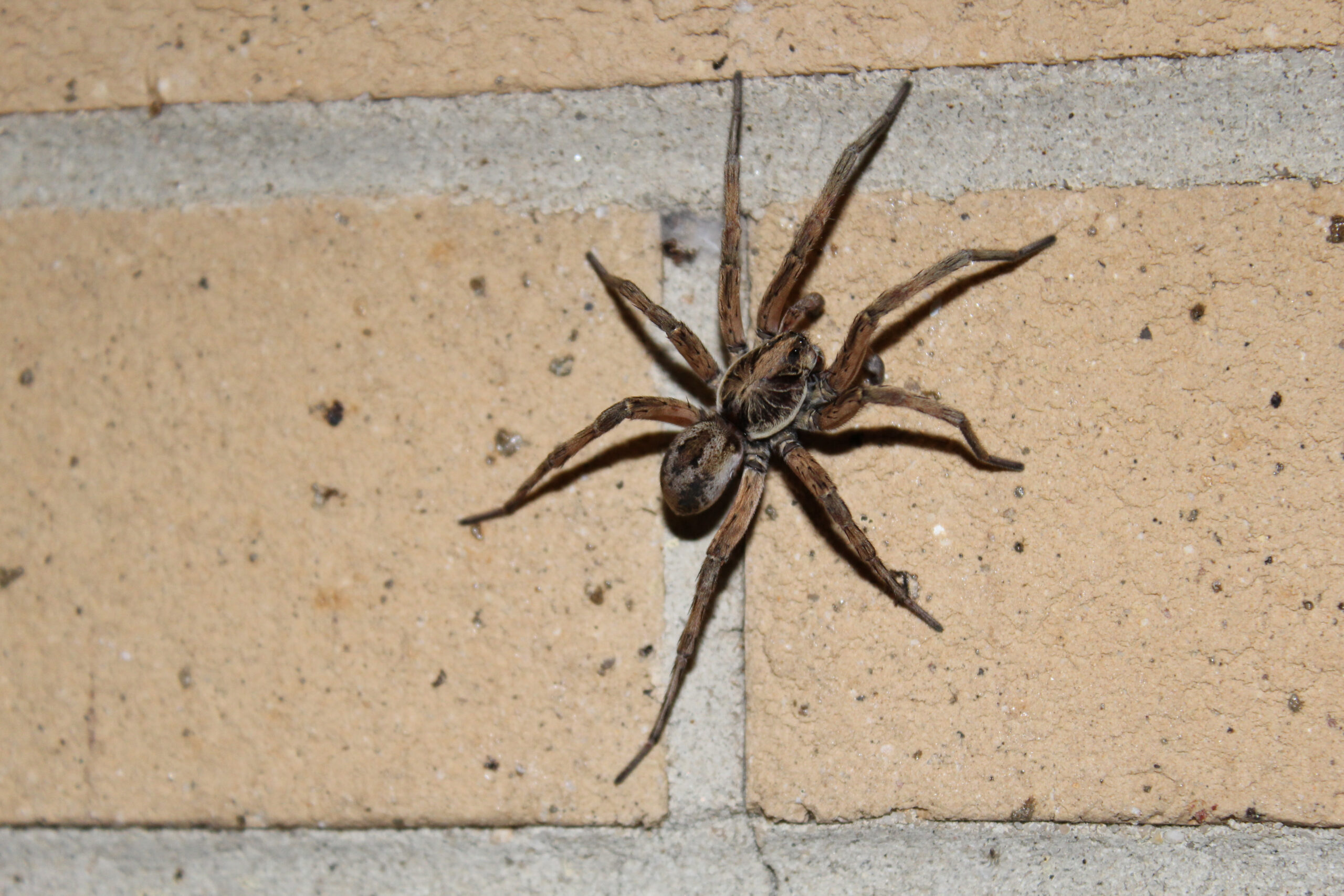
Introduction: Why bog spiders cranberry matter
Have you ever stepped into a cranberry bog and noticed the quiet world beneath your boots? That soggy, mossy landscape is more than a pretty backdrop — it’s a bustling microcosm where tiny predators keep the balance. For ecologists, biologists, and anyone fascinated by food webs, bog spiders cranberry communities are a superb case study: they reveal how predators adapt to extreme wetland conditions and how those adaptations ripple through an ecosystem. This article takes a close, conversational look at bog-dwelling spiders, their adaptations, their ecological roles, and why cranberry habitats deserve our attention.
Cranberry ecosystems and bog basics
What makes a bog (and a cranberry bog) unique?
Bogs are a special kind of wetland: acidic, nutrient-poor, and often carpeted by Sphagnum moss. Cranberry bogs—whether naturally occurring or managed for agriculture—are an interesting hybrid: they host the low-nutrient, waterlogged conditions of natural bogs but also include patches of cranberry plants (Vaccinium spp.) or cultivated cranberry beds. Those living conditions shape everything: plant communities, insect life, and, yes, spider communities. Think of a bog as an ecological tightrope where every adaptation counts.
What are “bog spiders”? — A working definition
The term “bog spiders” isn’t a single species — it’s a functional label for the spider species and groups commonly found in boggy, marshy, and cranberry habitats. These spiders can belong to several families (for example, ground-active wolf spiders, tiny sheet-weavers, or roaming hunting spiders). What unites them is a lifestyle adapted to moist, often acidic substrates and a reliance on the bog’s insect fauna for food.
Common spider groups found in bogs (families & guilds)
In many temperate bogs you’ll encounter:
- Ground-active hunters (e.g., wolf spiders) that run down prey across moss and leaf litter.
- Sheet and tangle web builders (small Linyphiidae and others) that exploit low vegetation and moss tufts.
- Ambush and sit-and-wait hunters that hide in vegetation or under debris.
Each group occupies a slightly different niche — together they form the predator backbone of bog microfauna.
Adaptations to living in acidic, waterlogged places
Survival in a bog is about solving two main problems: staying dry enough to function and finding food in a low-productivity system. Bog spiders have evolved both physical and behavioral tricks.
Morphological adaptations (walking on moss, water resistance)
Many bog spiders show sturdy legs and dense setae (hairs) that help them move on slippery Sphagnum carpets. Some have hydrophobic hairs that shed water and prevent drowning during temporary flooding. Their coloration often blends with mossy greens and brown detritus — camouflage is a simple, effective strategy.
Behavioral adaptations (hunting strategies & microhabitat use)
Behaviorally, bog spiders can be remarkably flexible. On wet days they retreat to raised hummocks, plant stems, or under cranberry leaves; on drier days they forage more actively. Some spiders shift from active hunting to web-based capture depending on prey availability — a neat example of behavioral plasticity.
Feeding ecology: predators, prey, and food-web roles
What do bog spiders eat? Mostly insects and other arthropods: tiny flies, midges, springtails, moth larvae, and occasionally other spiders. In nutrient-poor bogs, spider predation is a powerful force shaping invertebrate communities.
How bog spiders influence insect communities
Imagine a tug-of-war where the spiders pull down pest outbreaks and influence pollinator behavior. By preying on herbivores, bog spiders can indirectly affect plant health and even influence cranberry flowering and fruit set in agricultural contexts. Their role is ecological leverage: a relatively small predator biomass can produce outsized effects on the invertebrate community.
Seasonal life cycle and phenology in bogs
Bogs are seasonal theaters: the cast changes with temperature and water level. Spiders time their life cycles to these rhythms.
Overwintering, breeding, and juvenile stages
In temperate bogs, many spider species overwinter as juveniles or eggs, pouching themselves in protected microhabitats. Spring warms the bog, prey availability rises, and spiders grow, mate, and lay eggs before the next cold. In cranberry-managed areas, irrigation and flooding schedules can shift these rhythms — a consideration for both farmers and ecologists.
Interactions with cranberry agriculture
Cranberry agriculture brings human management into these wetlands. This has pros and cons for bog spiders. On one hand, managed bogs can increase prey diversity (edge habitats, ditch banks); on the other hand, they introduce disturbances like flooding regimes and pesticide use.
Pest control potential and farmer considerations
Many growers and ecologists recognize spiders as natural pest control agents. In cranberry beds, spiders can suppress populations of herbivorous insects that damage leaves or fruit. Encouraging spider-friendly refuges — unmowed margins, moss patches, and reduced pesticide use — can help farms harness this ecosystem service.
When spiders help — and when they don’t
Not all spider interactions are purely beneficial from a farmer’s perspective. Web-building spiders might interfere with mechanical harvest in rare cases, or shifts in predator communities could alter pollinator behavior. The key is managing for balance: creating heterogeneous habitats where beneficial spiders thrive without creating new problems.
Threats to bog spiders and cranberry habitats
Like many wetland specialists, bog spiders face threats from habitat loss and degradation. The usual suspects: drainage for agriculture, peat extraction, pesticide runoff, and climate-driven changes in hydrology. Each of these stressors alters the substrate, prey base, or microclimate that spiders rely on.
Drainage, pesticides, peat extraction, and climate change
Drainage converts bogs to drier habitats — not all spiders can follow. Pesticides reduce prey populations and can cause mortality in predators. Peat extraction removes the very Sphagnum that structure communities. Finally, climate change complicates flooded/dry cycles and could shift species’ ranges. For conservationists, protecting intact bog patches and promoting spider-friendly agricultural practices are top priorities.
How researchers study bog spiders
If you want to understand bog spiders, you need hands-on methods — but they must be carefully chosen to avoid damage.
Field methods (pitfall traps, sweep nets, visual surveys)
Pitfall traps are widely used to sample ground-active spiders; they’re cheap and effective but can bias toward mobile species.
Sweep netting across low vegetation picks up web-builders and small hunters.
Visual searches and timed searches on hummocks detect species that avoid traps. Combining methods gives the best picture.
Modern tools: DNA barcoding and citizen science
Molecular tools (like DNA barcoding) help resolve species that look identical to the eye. Meanwhile, platforms like iNaturalist let citizen scientists upload spider photos, expanding distribution data. For bog spiders, marrying field sampling with genetics and public participation is a powerful research recipe.
Ethical study and observation: best practices
Bog habitats are sensitive. Ethical study means minimizing trampling, avoiding unnecessary specimen collection, and using non-lethal sampling where possible. If collecting is required, take the fewest individuals needed for sound science and follow permit rules. Always clean boots and equipment between sites to prevent Sphagnum-dwelling species translocation.
Practical tips for students and ecologists working in bogs
Want to study bog spiders? Here are field-tested tips:
- Wear ankle support and waterproof boots — bogs are deceptively hard on feet.
- Use a quadrat and sweep-net combination to capture microhabitat variation.
- Record microhabitat data: moss height, water depth, cranberry patch density. These small details explain big differences.
- Photograph specimens in situ for later ID and citizen science uploads.
Conclusion: why bog spiders cranberry deserves attention
Bog spiders are small, but their ecological importance is large. In cranberry ecosystems they act as both bioindicators and natural pest managers, revealing how predators persist in tough conditions and how human management can tip the balance. For researchers, conservationists, and farmers, paying attention to these spiders offers practical benefits (better pest control, more resilient bogs) and pure scientific reward: a window into adaptation and interaction in a unique habitat. So next time you walk a cranberry bog, look down — there’s a miniature world of hunters at work.
FAQs
Q1: Are bog spiders dangerous to humans?
No — most bog-dwelling spiders are small and non-aggressive. Bites are rare and typically only cause minor, localized reactions in sensitive individuals. They pose no significant threat to humans or livestock.
Q2: Can bog spiders control cranberry pests effectively?
Yes, spiders contribute to natural pest suppression in many systems. They won’t eliminate pests entirely, but they reduce population peaks. Integrated pest management that encourages spider habitat tends to be more sustainable.
Q3: What’s the best way for citizen scientists to report bog spider sightings?
Photograph spiders from multiple angles (dorsal and lateral), note the microhabitat (moss, cranberry stem, hummock), and upload to platforms like iNaturalist with date and location. Don’t collect unless you have training and permits.
Q4: Do managed cranberry bogs have fewer spider species than natural bogs?
Managed bogs often have different community composition; some species decline while others may increase. Habitat heterogeneity, pesticide use, and water management all influence species richness. Practices that create refuges tend to maintain higher diversity.
Q5: How can researchers avoid harming bogs while studying spiders?
Use non-destructive sampling where possible (photography, timed visual searches), minimize trampling by stepping on durable pathways, and follow local permitting and restoration guidelines. When collection is necessary, take the minimum sample size for analysis.
Step into the mysterious world of bog spiders and cranberry ecosystems. Discover how these tiny hunters shape wetland biodiversity!