

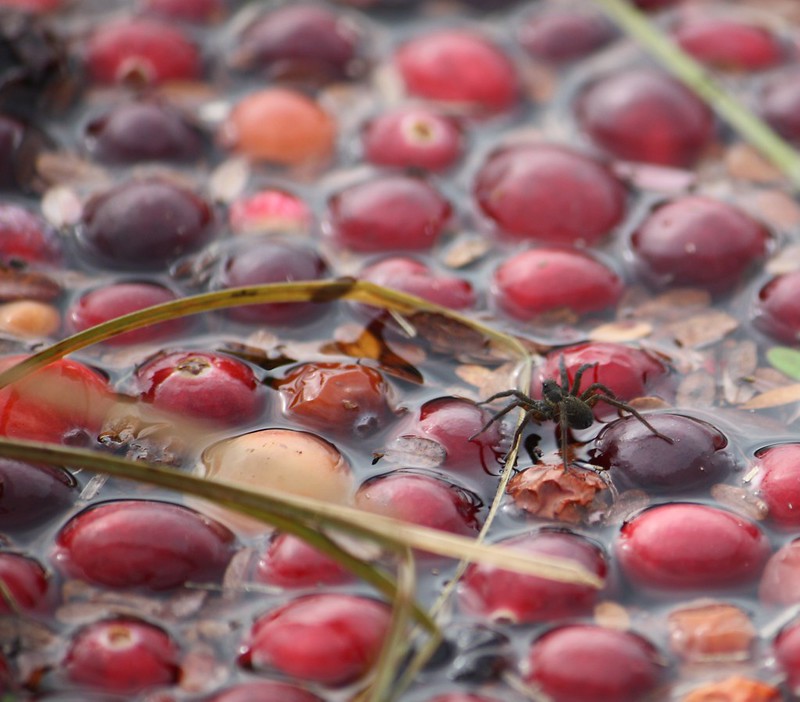
Introduction to Bog Spiders
When you think about cranberry fields, your mind probably jumps to bright red berries floating on water, not spiders. But bog spiders are quietly playing a fascinating, behind-the-scenes role in these ecosystems. Surprisingly, these tiny predators are crucial for the health and balance of cranberry bogs.
Cranberry Ecosystems: A Brief Overview
Why Cranberries Thrive in Bogs
Cranberries are not your typical fruit. They thrive in acidic, sandy bogs where few plants can survive. These conditions make cranberry fields unique ecosystems that support specialized flora and fauna.
The Delicate Balance of Bog Ecology
Every part of a bog, from the moss to the insects, contributes to its balance. Bog spiders, though small, are part of this web of life, ensuring no single species dominates the habitat.
Meet the Bog Spiders
Unique Adaptations for Wetlands
Bog spiders aren’t your average garden spiders. Many have developed adaptations for surviving in damp, waterlogged environments. Some can walk across water surfaces, while others build webs anchored to mosses and low shrubs.
Common Species Found in Cranberry Fields
Several species thrive in cranberry habitats, including sheet-weaving spiders, wolf spiders, and orb-weavers. Each species fills a niche, whether stalking prey on the ground or snaring insects mid-flight.
Bog Spiders as Natural Pest Control
Their Role in Controlling Insect Populations
One of the most valuable contributions of bog spiders in cranberry fields is their knack for pest control. They feast on insects that could otherwise damage cranberry vines, such as leafhoppers, caterpillars, and beetles.
Impact on Cranberry Crop Health
By keeping pests in check, bog spiders reduce the need for pesticides. This makes cranberry farming more sustainable and less damaging to the environment. It’s like having free, natural bodyguards for your cranberry plants.
Interactions with Other Bog Wildlife
Spiders and Pollinators: A Complex Relationship
While spiders eat pests, they occasionally prey on pollinators, too. This relationship is tricky—pollinators are essential for cranberry production, but spider predation helps prevent any single insect population from exploding.
Competition and Cooperation with Other Predators
Bog spiders don’t work alone. Birds, frogs, and predatory beetles also hunt insects in cranberry fields. Sometimes they compete for food, but together they form a balanced pest-control team.
Ecological Importance of Bog Spiders
Maintaining Biodiversity in Cranberry Fields
Bog spiders help preserve biodiversity by preventing insect outbreaks. Without them, ecosystems would become imbalanced, threatening the survival of both cranberries and other bog life.
Contribution to Food Web Dynamics
Spiders are both predator and prey. They feed on insects but also provide food for birds and amphibians. In this way, they act as a bridge in the bog food web.
Threats Facing Bog Spiders
Habitat Loss and Agricultural Practices
Modern cranberry farming sometimes involves draining bogs or altering water systems, which can destroy spider habitats. Excessive pesticide use also reduces their populations.
Climate Change Impacts
Warming temperatures and shifting precipitation patterns threaten wetland stability. If bogs dry out, many spider species could disappear.
Research and Conservation Efforts
Studies on Bog Spiders in Cranberry Fields
Ecologists have begun studying how spider populations affect cranberry yields. Their findings show that fields with more spiders often have healthier plants and fewer pests.
Ways to Protect Their Habitat
Farmers can help by adopting eco-friendly practices: reducing pesticide use, maintaining wetland areas, and supporting natural vegetation around cranberry bogs.
Human Connection with Bog Spiders
Benefits for Farmers and Scientists
For farmers, bog spiders are unsung heroes that boost crop health. For scientists, they are fascinating indicators of ecosystem stability.
Public Perception and Awareness
Unfortunately, spiders often get a bad reputation. Educating the public about their ecological role can shift fear into appreciation, especially when people learn they’re protecting their favorite holiday fruit—cranberries.
Conclusion
Bog spiders may not grab the spotlight, but they are vital players in cranberry fields. From pest control to biodiversity support, these small arachnids ensure that cranberry ecosystems remain resilient. Protecting them means protecting not just spiders, but also cranberries, farmers, and the delicate wetlands they inhabit.
Frequently Asked Questions
- Q1: Why are bog spiders important in cranberry fields?
- A1: They control pest populations naturally, reducing the need for chemical pesticides.
- Q2: Do bog spiders harm cranberry plants?
- A2: No, they don’t eat plants. They target insects that threaten cranberry vines.
- Q3: Can bog spiders survive outside wetlands?
- A3: Most bog spider species are adapted specifically to wetland conditions, making it hard for them to thrive elsewhere.
- Q4: Do bog spiders pose any danger to humans?
- A4: No, bog spiders are not harmful to humans. They’re more interested in small insects.
- Q5: How can farmers support bog spider populations?
- A5: By limiting pesticide use and preserving natural wetland habitats.
-
Discover how bog spiders keep cranberry fields thriving and ecosystems balanced.
-
Read more about unique wildlife at fishhead.co.nz.