

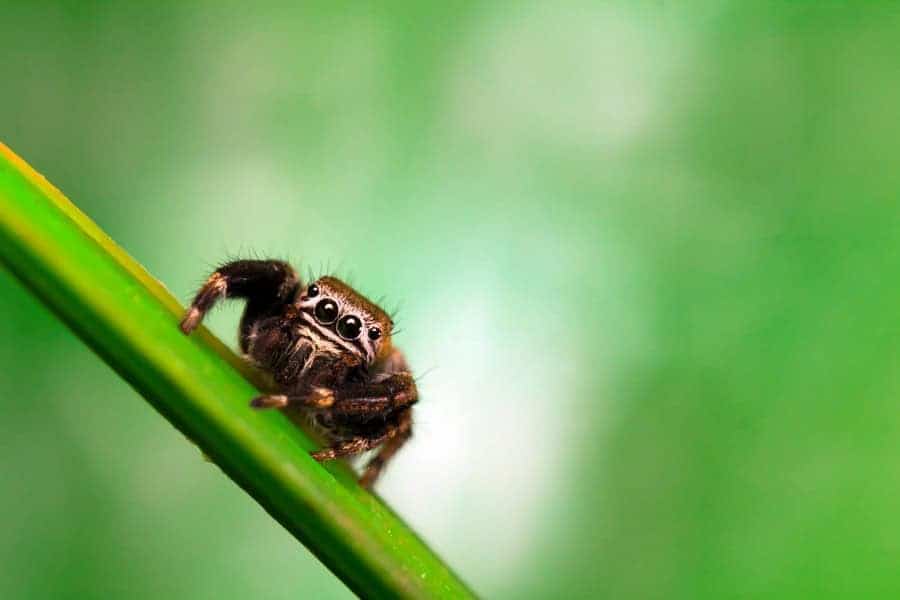
Introduction — Why Bog Spiders Matter
Cranberry bogs are watery, peat-rich habitats that support a surprising diversity of life. Spiders are often overlooked architects of those ecosystems: they regulate insect populations, link food webs, and act as indicators of habitat health. For biologists, bog spiders are both research subjects and sentinels — small, but loud if we know how to listen.
What Are Cranberry Bog Spiders? (Taxonomy & ID)
“Cranberry bog spiders” isn’t a single species name you’d find on a label; rather it’s a convenient phrase ecologists use to describe the assemblage of spider species commonly found in cranberry bogs. These include ground-dwelling hunters and small web-builders adapted to moist, acidic conditions.
Where they fit in the spider family tree
Most bog spiders belong to families like Lycosidae (wolf spiders), Linyphiidae (sheet weavers), and Gnaphosidae (ground spiders). Each family has different hunting styles — some chase, some ambush, some spin tiny horizontal sheets to catch small flies.
Key identifying features
Look for compact bodies, often muted brown or gray coloring, and behavioral cues: active hunters will be on the move, web-builders stay low in vegetation or between sedge stems. Size ranges from a few millimeters to a couple of centimeters — modest, but ecologically mighty.
Cranberry Bogs: A Unique Habitat
Bogs are specialized landscapes — saturated peat, low nutrients, and acidic water. Cranberry cultivation often takes place in these wet acidic soils, making the agricultural bog an interesting human-altered habitat where spiders persist, adapt, or sometimes decline.
Hydrology, vegetation, and microclimates
The water table, sphagnum moss, sedges, and low shrubs create a patchwork of microhabitats: water-logged hollows, slightly raised hummocks, and drier edges. Spiders exploit every niche — some live at the water edge, others hide under moss cushions.
Why bogs attract spiders
Bogs attract insects — midges, mosquitoes, small flies — which in turn attract spiders. The structural complexity (moss tufts, sedge stems) provides ideal anchor points for small webs and hiding spots for hunters. Plus, fewer large predators mean spiders can thrive.
Behavior and Ecology
Behavior in bog spiders is a blend of opportunism and specialization. Let’s break down the main strategies.
Hunting strategies and web use
Some bog spiders actively hunt — sprinting across moss and sedge to tackle prey. Others build low, sheet-like webs or tiny orb webs in vegetation pockets to intercept flying insects. Many show plasticity: if prey is scarce, hunters can attempt passive capture and vice versa.
Daily and seasonal rhythms
Spiders often follow insect activity patterns — more active at dusk or on humid overcast days when insects fly. Seasonally, populations peak in summer when eggs hatch; by late autumn, many adults die off and only egg sacs or juveniles overwinter.
Interactions with Humans — “cranberry bog spiders on person”
This phrase likely tracks search interest from people who’ve had spiders land on them while working or visiting bogs. It raises two questions: how common is it, and is it dangerous? Spoiler: usually common but not dangerous.
Why spiders sometimes end up on people
Spiders don’t ‘attack’ people — they mistake a warm, moving substrate for prey or get dislodged from vegetation and fall onto clothing or skin. A worker walking through sedge is essentially a mobile hill for tiny spiders. Also, nocturnal species may crawl onto clothing at rest.
Realistic risks vs. myths
Most bog spiders are harmless. Even wolf spiders, which can look intimidating, rarely bite humans; their venom is designed to subdue small insects. Bites are uncommon and usually result in minor local irritation only. Panic and pesticide misuse are the real hazards here.
Feeding and Role in the Bog Food Web
Spiders are mesopredators — they sit mid-level in food webs. They control pest insect populations and are food for birds, amphibians, and predatory insects. In cranberry bogs specifically, spiders can help suppress pests that might otherwise harm cranberry plants, contributing to natural pest control.
Prey, predators, and ecological services
Bog spiders primarily eat diptera (flies), small beetles, and occasionally juvenile orthopterans. Predators that feed on spiders include insectivorous birds, frogs, and larger arachnids. Their removal can cascade into insect outbreaks, illustrating their ecosystem service value.
Reproduction and Life Cycle
Most bog spiders have an annual life cycle, though some take multiple years. Reproduction involves a careful dance — chemical cues, leg-tapping, or web-plucked signals depending on species. Females lay egg sacs and often guard them until spiderlings emerge.
Courtship, egg sacs, and juvenile stages
Courtship reduces the risk of cannibalism — males perform species-specific displays. Egg sacs may be attached to moss or carried. Juveniles disperse via ‘ballooning’ (silk threads catching the wind) or crawling to nearby habitat.
Research Methods — How Scientists Study Bog Spiders
Field ecologists use pitfall traps, sweep-netting, leaf-litter extraction, and visual surveys. Lab work includes behavioral assays and venom analysis. Long-term monitoring helps detect population trends tied to land use or climate changes.
Field surveys, trapping, and lab observation
Pitfall traps (small cups sunk at ground level) capture ground-active spiders; sweep nets collect vegetation dwellers. Mark–recapture is rare for spiders due to size; instead, abundance indices and species richness metrics are used.
Conservation Concerns and Threats
Cranberry bogs, especially natural peatlands, are threatened by drainage, peat extraction, agricultural intensification, and pesticide use. These activities change moisture regimes and chemical profiles, directly affecting spider communities.
Habitat loss, pesticides, and climate change
Pesticides can decimate non-target arthropods including spiders. Climate shifts alter phenology — earlier drying may make bogs less suitable. Conservation efforts that protect hydrology and reduce chemical inputs benefit spiders and the whole bog ecosystem.
Practical Advice: Encounters and Safety
Encountering a spider is more of a surprise than a hazard. Here’s practical, low-tech advice for researchers, cranberry workers, and visitors.
If a cranberry bog spider lands on you
Stay calm. Most spiders will crawl off if given a moment. Gently blow or cup your hand over the spider and transfer it to a nearby plant if you wish. Avoid slapping or squashing — both for humane reasons and to avoid unnecessary mess or attracting scavengers.
How to minimize unwanted encounters during fieldwork
Wear long sleeves, tuck pants into socks, and use lightweight gaiters. Shake out clothing and boots before dressing. Do timed breaks on cleared paths rather than in dense sedge. Avoid unnecessary pesticide use — manage pests with integrated pest management (IPM) that preserves beneficial arthropods like spiders.
Citizen Science and How You Can Help
You don’t need a PhD to contribute. Take photos, note locations and habitat type, and upload observations to platforms like iNaturalist. Simple presence/absence data across the season helps researchers track changes.
Interesting Case Studies & Anecdotes
Field biologists often report tiny surprises: a sheet-weaver tucked under a cranberry bloom or a wolf spider carrying an egg sac across a hummock. Anecdotal observations have led to formal studies — for instance, noting spider abundance differences between managed and unmanaged bog edges.
Step into the mysterious wetlands and uncover the secrets of cranberry bog spiders. 🌿🕷️ Discover their role in nature’s balance today!