

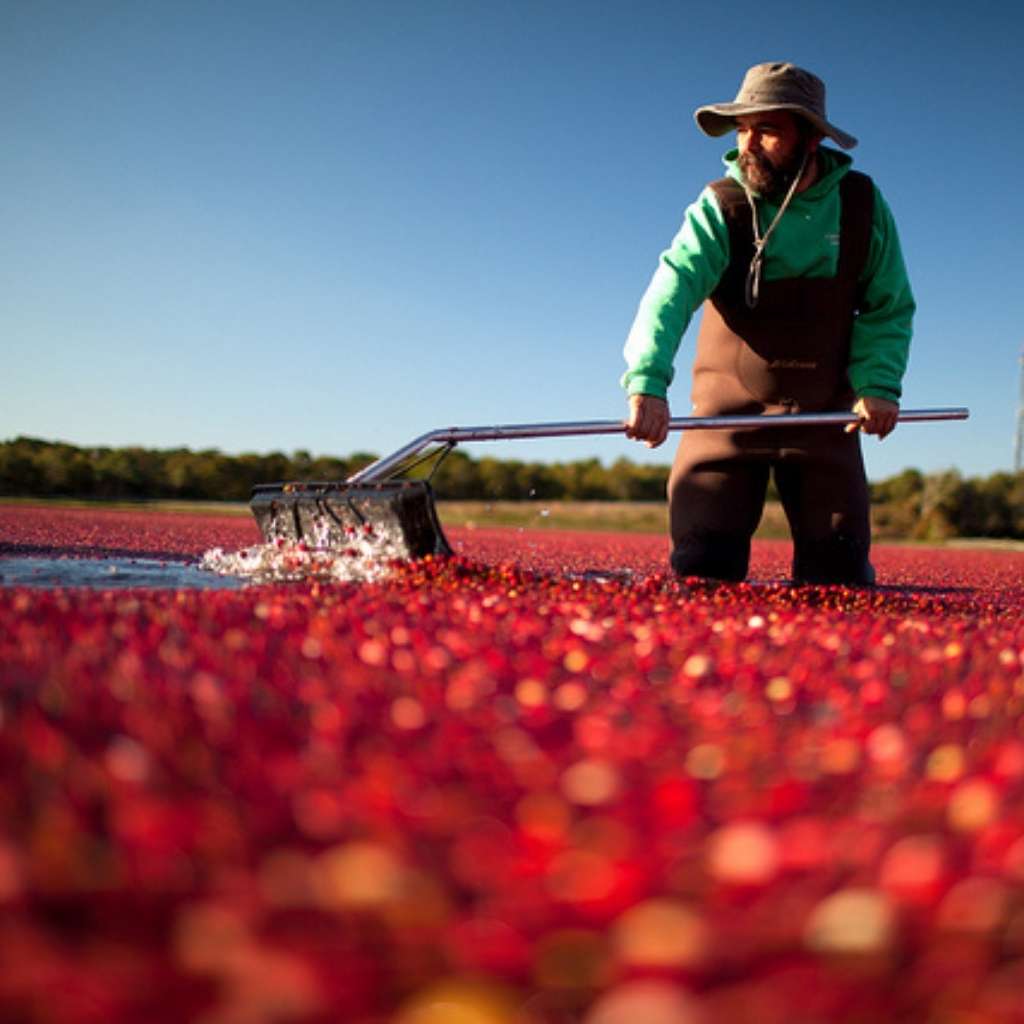
Bogs are like nature’s slow kitchens: they simmer carbon, host quirky plant communities, and build peat one millimeter at a time. Among the mosses and saturated soils are unexpected actors — spiders that specialize in living where the ground squishes beneath your boots and cranberries whose runners carpet the wet landscape. If you study ecology, biology, or zoology, the relationship between bog spiders cranberries is a fascinating microcosm of adaptation, interaction, and resilience.
Introduction: Why Bog Habitats Matter
Bogs host unique plant and animal communities, store carbon in deep peat layers, and form distinct hydrological mosaics. This article walks you through the natural history, ecological interactions, threats, research methods, and conservation strategies connecting bog spiders cranberries. It’s aimed at biology, zoology, and ecology audiences looking for both field-applicable guidance and conceptual insight.
What Are Bog Spiders? A Natural History
Spiders found in bogs are not a single species but an ecological guild: cohorts of sheet-web weavers, wolf spiders, and a handful of specialists that tolerate wet, acidic conditions. They’re united more by habitat than by bloodline and have evolved ways to make a living on soggy substrates.
Taxonomy and common groups
In bogs you’ll commonly find members of families like Lycosidae (wolf spiders), Linyphiidae (sheet-web spiders), and occasionally Araneidae (orb-weavers) that adapt to low shrubs. Many linyphiids — tiny, intricate web weavers — thrive in the low vegetation of cranberries, while larger wolf spiders hunt on hummocks and open moss.
Morphology and adaptations
Bog spiders often show adaptations such as hydrophobic body hairs, behavioral adjustments to avoid drowning, and life-cycle timing that matches dry windows for egg-laying. Their small size, choice of microhabitat, and sometimes reduced coloration all help them survive where moisture, not sunlight, is the daily constant.
Cranberry Plants in Bog Ecosystems
Cranberries (genus Vaccinium and close relatives depending on region) are classic bog specialists — woody, low-growing, with runners (stolons) that create a dense, low canopy. They’re adapted to acidic, nutrient-poor peat soils, rely on ericaceous mycorrhizae, and shape the physical structure of bog microhabitats.
Cranberry biology and growth habit
Cranberries spread by stolons and anchor in hummocks created by sphagnum moss. The tight, low mat they form is perfect for certain web architectures; it also traps insects and creates humid microclimates. Flowering occurs in brief windows, offering pulses of nectar and pollen that indirectly influence arthropod communities.
Nutrient-poor soils and peatlands
Bogs are famously low in nitrogen and phosphorus. Plants like cranberries cope by association with fungi and conservative growth strategies. This nutrient scarcity also shapes the prey base for spiders — fewer herbivores in some seasons, and a reliance on wind-blown or emergent insects.
Interactions: How Bog Spiders and Cranberries Coexist
The relationship is largely habitat-structural, indirect, and mutualistic at an ecosystem scale: cranberries provide architecture and microclimate; spiders provide predation pressure that can reduce herbivore loads. Think of cranberries as the apartment building and spiders as the residents who keep the pests in check.
Structural habitat — webs, runners, and water
Cranberry runners act like scaffolding for sheet webs and small orb webs. Webs strung between low leaves catch flying midges and small dipterans that frequent bogs. Wolf spiders, meanwhile, use the mossy hummocks that cranberries help stabilize for hunting platforms.
Prey dynamics and food webs
Bog food webs are spindly but efficient. Spiders prey on spring-emerging insects (midges, mosquitoes), pollen-feeding flies, and any small arthropod that gets tangled in the mat. By controlling these populations, spiders indirectly influence plant health and pollination dynamics — sometimes positively by reducing herbivores, sometimes neutrally by consuming pollinators (a trade-off).
Seasonal changes in interaction intensity
Timing matters. After spring melts when insect activity spikes, spider foraging ramps up. In late summer and autumn, cooler temperatures reduce insect abundance and spiders shift to scavenging or slowing metabolism. Cranberry flowering pulses create temporary hotspots of insect activity — and spider feeding.
Microhabitats: Where Spiders Hang Out on Cranberry Bogs
Within a bog there are dozens of microhabitats: hummocks (raised moss islands), hollows filled with water, drier edges where sedges grow, and the intimate world among cranberry leaves. Each micro-site supports a different spider assemblage.
Vegetation strata and microclimates
Even a 10 cm difference in height changes temperature, humidity, and exposure. Tiny Linyphiids love the cooler, shadier interior of the cranberry mat; wolf spiders take higher, drier hummocks. Microclimatic gradients are a spider’s map to resources.
Water edges, hummocks, and hollows
Water edges attract mosquitos and midges, which in turn draw web-building spiders. Hummocks are refuges during floods and are key for reproduction and egg sac protection. Understanding this patchwork is essential for accurate sampling and conservation planning.
Behavioral Ecology: Foraging, Mating, and Shelter
Spiders balance the risk of desiccation and drowning against the rewards of prey. Their behaviors are finely tuned: foraging in dawn/dusk windows, using silk retreats for humidity control, and synchronizing reproduction with low-water periods.
Foraging strategies of bog spiders
Ambushers like wolf spiders hunt visually on hummocks; sit-and-wait web builders capitalize on flying insects. Some species switch strategies seasonally; plasticity is a survival asset in unpredictable bog environments.
Reproductive timing relative to cranberry phenology
Many spiders time their broods to follow spring insect blooms, ensuring protein-rich diets for juveniles. Cranberry phenology — flowering and fruiting windows — therefore indirectly shapes spider reproduction by controlling insect prey availability.
Ecosystem Services Provided by Bog Spiders
Far from being just creepy crawlers, bog spiders contribute tangible services to bogs and cranberry patches.
Pest suppression in cranberry patches
In agricultural or semi-wild cranberry beds, spiders can reduce populations of herbivorous insects and leaf-feeding beetles. Even modest reductions in pest numbers can translate to healthier plants and more stable fruiting.
Nutrient cycling and detritus pathways
Spider predation concentrates nutrients in web sites and carcasses, accelerating localized nutrient turnover — meaningful in nutrient-poor bog soils where every input counts. Dead spiders and prey return nutrients to the peat through decomposition.
Threats to the Bog Spider–Cranberry System
Bogs are fragile. Changes to hydrology, chemistry, or land use ripple through communities.
Drainage, peat extraction, and land conversion
Draining peatlands for agriculture or peat harvesting collapses the habitat architecture that both cranberries and spiders rely on. Hummocks flatten, hydrology changes, and specialist species vanish.
Pesticides and agricultural intensification
Chemicals aimed at herbivores or fungal pathogens often have non-target effects on spiders and beneficial insects. Overuse reduces biodiversity and removes natural pest control agents.
Climate change and hydrology shifts
Changing precipitation and temperature regimes can dry out bogs or alter freeze-thaw cycles. Both spiders and cranberries are sensitive to these shifts; mismatches in phenology can decouple predator-prey relationships.
Research Methods: How Scientists Study These Interactions
If you’re a field biologist, a toolbox of simple, repeatable methods gives robust insight.
Pitfall traps, sweep nets, and habitat mapping
Pitfall traps sample ground-active spiders; sweep nets and vacuum samplers capture foliage dwellers. Combine these with fine-scale habitat maps (moss height, water depth) for context. Replication across hummocks and hollows reveals spatial patterns.
Stable isotopes and food-web analysis
To understand who’s eating whom, researchers use stable isotope analysis and gut-content metabarcoding. These methods uncover dietary links and show when spiders are consuming pest species versus pollinators.
Conservation and Management Strategies
Protecting bog systems is both ecological and pragmatic. For cranberry growers and conservationists, there are win-wins.
Bog-friendly cranberry farming practices
Integrated pest management (IPM), reduced pesticide regimes, and maintaining buffer wetland areas help conserve spider populations while sustaining yields. Timing of mechanical mowing and water level management can be adjusted to avoid critical spider reproduction windows.
Restoration of peatlands and hydrology
Re-wetting drained bogs, reintroducing native sphagnum, and blocking drainage ditches rebuild the physical setting that supports cranberries and spider communities. Even small restoration patches can act as refuges and sources for recolonization.
Case Studies / Anecdotes
Small observational study example
A hypothetical observational study comparing two adjacent bog patches—one managed with low-input practices, one intensively managed—might show higher spider diversity and lower herbivore damage in the low-input site. These real-world snapshots are persuasive for growers.
A restoration success snapshot
Restoration projects often show that within a few years of rewetting and sphagnum reintroduction, ground-dwelling arthropod communities rebound, including specialist spiders that had been absent.
Practical Tips for Field Biologists
Safety and ethics in bog environments
Wear proper boots, use a walking pole, leave minimal tracks, and avoid sampling during breeding windows. Collect only what’s needed and prioritize non-lethal methods when possible.
Simple monitoring protocols
Monthly pitfall trapping during spring-summer, paired with vegetation height surveys and water-table readings, forms the backbone of many long-term monitoring schemes. Standardize trap placement across hummock-hollow gradients.
Future Research Directions
Genomics, microclimate mapping, and modeling
High-throughput sequencing can reveal cryptic species and population connectivity. Microclimate sensors across fine spatial scales will tie behavior to precise humidity and temperature variables. Models can predict how hydrological change will shift species distributions.
Citizen science and long-term monitoring
Engaging volunteers to photograph and log spider sightings, paired with basic training, can expand data across seasons and landscapes—especially important in remote peatlands.
Conclusion
Bog ecosystems — those slow, peat-building mosaics — host intricate relationships between low-growing cranberries and their tiny, often-overlooked spider inhabitants. From microscopic microclimates beneath cranberry runners to the role spiders play in pest suppression and nutrient cycling, the bog spiders cranberries story is one of tight ecological coupling, vulnerability, and opportunity. Protecting these systems demands a mix of careful science, mindful land use, and restoration. If you’re a student of ecology or a field biologist, bogs are laboratories of evolution and interaction waiting for curious observers.
FAQs
- Do bog spiders eat cranberry pollinators and harm fruit production?
- Occasionally spiders capture pollinators, but overall they tend to suppress herbivore pests that can damage plants. Net effects on fruit production are usually neutral to positive when spider diversity is healthy.
- Can cranberry farming coexist with bog conservation?
- Yes — with practices like reduced pesticide use, water-level sensitivity, and maintaining buffer areas, cranberry production and bog biodiversity can coexist.
- What’s the best simple method to survey spiders in a bog?
- Use pitfall traps for ground-active species and sweep nets or vacuum samplers for foliage dwellers, combined with standardized habitat notes (water depth, moss height).
- How does climate change threaten bog spiders and cranberries?
- Altered precipitation and temperature patterns change hydrology and phenology, which can create mismatches between predator and prey or desiccate sensitive moss and plant communities.
- Are there opportunities for citizen scientists to help?
- Absolutely. Photographic surveys, simple pitfall data collection under guidance, and phenology logs for cranberry flowering can provide valuable long-term data.
Step into the mysterious world of bog spiders and cranberries. Discover how these unlikely neighbors shape a unique ecosystem!