

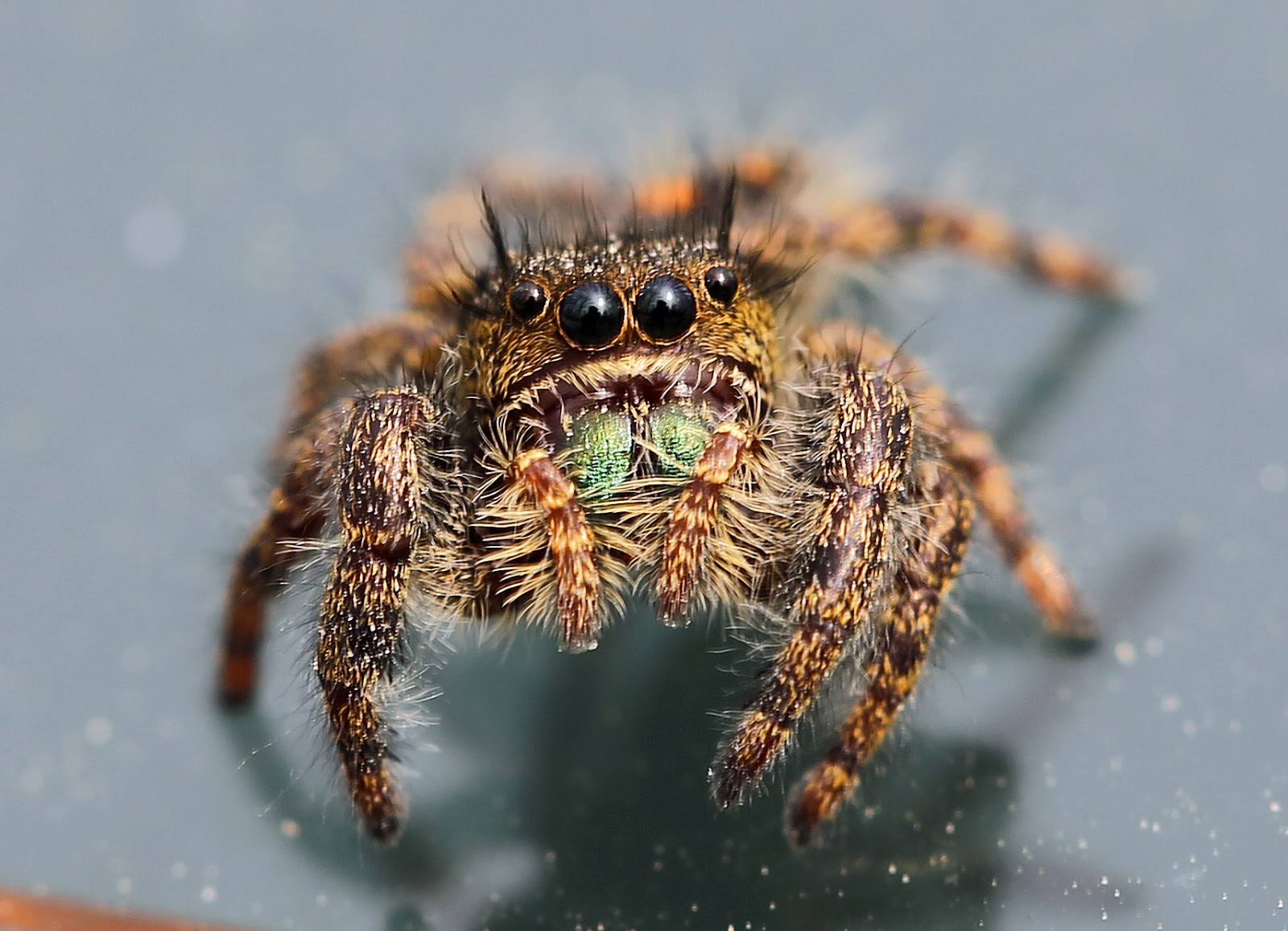
Introduction — Why cranberry bog spiders matter
Have you ever walked the soft, spongy edge of a cranberry bog and wondered what tiny hunters are living in the moss and sedge? Welcome to the microcosm of cranberry bog spiders — a group not defined by a single species but by an ecological niche: spiders that make cranberry bogs and similar peatland wetlands their home. For students and professionals in biology, zoology, and ecology, these spiders are a compelling study in adaptation, microhabitat specialization, and ecosystem services. In this article we’ll stroll through identification, life cycles, behavior, ecological importance, threats, and best practices for studying them. Consider this your field guide-lite, written in plain English (with a scientist’s eye).
What are cranberry bog spiders?
Definition and scope
“Cranberry bog spiders” is a practical term ecologists use to describe the assemblage of spider species commonly found in cranberry bogs, peatlands, and adjacent wet meadows. Rather than a taxonomic label, it’s ecological — similar to saying “forest floor beetles.” These spiders range from tiny sheet-weavers that thrive in moss to larger runners that stalk the sedges.
Common families you’ll meet
In bog habitats you’ll often encounter members of several spider families: Lycosidae (wolf spiders), which are active hunters on vegetation and soil; Linyphiidae (sheet weavers or money spiders), small species that build delicate horizontal webs among grasses and moss; and occasional Pisauridae or other semi-aquatic genera (fishing spiders) near open water. Each family brings different hunting styles and ecological roles to the bog community.
Cranberry bogs as a unique habitat
Hydrology and peat soils
Cranberry bogs are wet, often acidic, peat- or peat-mimicking systems with shallow water tables, dense moss mats, and mats of sedge and cranberry vines. The hydrology — consistent moisture and periodic flooding — creates a stable but challenging environment for arthropods.
Microclimates and plant structure
Microtopography (hummocks, hollows), moss cushions, and sedge tussocks create a patchwork of microhabitats: dryer raised hummocks for web-builders, damp hollows for moisture-tolerant hunters. That heterogeneity is why bogs hold such a diverse spider fauna.
Why these habitats favor certain spiders
The combination of constant moisture, abundant small insect prey, and structural complexity (moss and sedge) selects for spiders with specific traits: small size to weave among stems, hydrophobic features to avoid getting waterlogged, and hunting strategies tuned to low-visibility, cluttered environments.
How to identify cranberry bog spiders
Size, color, and morphology
Many bog spiders are small (3–8 mm) but some, like juvenile wolf spiders, can be larger. Coloring tends toward cryptic browns, greys, and mottled patterns that blend with peat, moss, and leaf litter. Look for traits like long legs for runners, stout bodies for ambush hunters, and flattened abdomens for species that hide under moss.
Webs vs. active hunters
Are you seeing delicate horizontal sheets or open runs? Sheet-like webs in low vegetation usually indicate Linyphiidae; unruly runners darting across sedge stems are likely Lycosidae or similar cursorial predators. Knowing the hunting style helps narrow identification quickly.
Field ID tips for ecologists
Bring a hand-lens, note microhabitat (hummock vs. hollow), take a few photos from multiple angles, and if needed collect a specimen using a soft paintbrush into a vial — always following ethical and legal collecting rules. Photographing webs (if present) helps: web architecture is a strong clue to family.
Life cycle and seasonal dynamics
Eggs and egg sacs
Many bog-dwelling spiders produce egg sacs tethered to vegetation or carried under the body (as in some wolf spiders). Egg timing often coincides with insect prey peaks so that spiderlings have food when they emerge.
Development: spiderlings to adults
Spiderlings disperse by ballooning or crawling into moss mats. Growth rates depend on temperature and prey availability; colder bog conditions can delay development, sometimes resulting in one long season to reach maturity.
Seasonal timing in bog habitats
Bog spiders often show strong seasonality: late spring and summer are the busiest — mating, feeding, and dispersal — while many adults die off in the first frosts, leaving egg sacs or juveniles to overwinter. Phenology is tied tightly to local climate and water-level dynamics.
Behavior and hunting strategies
Ambush and sit-and-wait
Some species hide among moss cushions and ambush small dipterans that land on the surface. Their cryptic coloration and patience are their superpowers.
Cursorial hunting (running predators)
Wolf spiders and similar hunters actively run down prey. In bogs they chase along sedge blades and across the slick surfaces of moss. Their speed compensates for low visibility.
Web-building strategies in sedge and moss
Sheet webs in bogs are often low and horizontal, anchored to sedge stems. These capture small flying or jumping insects and form miniature aerial traps between the ground and vegetation layers.
Adaptations to bog life
Hydrophobic hairs and movement on wet substrate
Many bog spiders have microstructures or hairs that shed water, preventing drowning and preserving mobility after contact with wet surfaces. These hydrophobic features are a common adaptation among wetland arthropods.
Acid and moisture tolerance
Peatlands are acidic and nutrient-poor. Bog spiders are often physiologically tolerant of low pH and can survive on the limited but specialized prey community that thrives there.
Ecological role: predators, prey, and food webs
Natural pest control in cranberry agriculture
Spiders in cranberry bogs consume many small herbivores and pest insects. This makes them valuable natural allies for growers — functional components of integrated pest management (IPM). Encouraging spider diversity can reduce reliance on chemical controls.
Prey species and trophic links
Bog spiders feed on midges, aphids, springtails, and other small invertebrates; in turn, they are prey for beetles, birds, and small mammals. They are important mid-level predators that help channel energy from detritus-based food webs up to higher trophic levels.
Interactions with humans and agriculture
Are cranberry bog spiders beneficial or pests?
Mostly beneficial. They suppress pest populations and rarely harm humans or crops. Occasional high spider densities are more of a curiosity than an agricultural problem.
How growers can encourage them
Maintain plant diversity at field margins, minimize broad-spectrum insecticide use, and preserve undisturbed moss or sedge patches. Simple habitat management often supports robust spider communities that provide biological control.
Research & study methods used by ecologists
Sampling: pitfall traps, sweep nets, visual surveys
Pitfall traps sample ground-active species; sweep nets harvest spiders from sedge and low vegetation; timed visual surveys help document web-builders. Use a combination to get a fuller community picture.
Modern tools: DNA barcoding and camera traps
DNA barcoding aids species ID when morphology is ambiguous (juveniles are notoriously hard to ID). Time-lapse cameras and environmental DNA (eDNA) are emerging tools that complement traditional sampling.
Conservation and threats
Habitat conversion and drainage
Draining bogs for agriculture or development destroys microhabitats that bog spiders need. Even small changes in water table can alter community composition drastically.
Pesticides and non-target effects
Broad-spectrum insecticides reduce spider abundance directly (mortality) and indirectly by removing prey. Targeted pest control and IPM reduce these impacts.
Distribution and species diversity
Local vs. widespread species
Some spiders are habitat specialists restricted to peatlands and bogs; others are generalists found across uplands and wetlands. Local surveys often reveal cryptic diversity that isn’t obvious from broad-scale checklists.
Hotspots and understudied regions
Peatland-connected regions with limited human disturbance often harbor higher spider richness. Many temperate and boreal bogs remain understudied — a good newsflash for students looking for field projects.
Interesting facts & surprising behaviors
- Some bog spiders will “ride” on floating vegetation during floods — a small-scale rafting behavior.
- Juvenile ballooning dispersal can move spiders meters (or more) across a marsh, connecting isolated bogs.
- Spider webs in bogs can trap more than insects — pollen and plant detritus contribute to microhabitat complexity and nutrient cycling.
Conclusion — Why we should care
Spiders of cranberry bogs are small but mighty actors in fragile wetland systems. They’re indicators of habitat quality, contributors to pest suppression, and marvels of adaptation. For ecologists and conservationists, these spiders offer a window into how life persists under constant moisture, acidity, and seasonal change. If you care about biodiversity, habitat function, or sustainable agriculture, paying attention to cranberry bog spiders is a sound, practical step.
Frequently Asked Questions
Q1 — Do cranberry bog spiders bite people and are they dangerous?
A: Most species in bogs are tiny and non-aggressive. Bites are rare and generally mild; these spiders are not medically significant to humans.
Q2 — How can I sample spiders in a cranberry bog ethically?
A: Use non-lethal visual surveys and minimal trapping; when collecting specimens, follow local permits and take only small numbers. Record habitat data for each sample.
Q3 — Will pesticides used in cranberry farming eliminate spider populations?
A: Broad-spectrum pesticides reduce spider abundance and can disrupt the natural control they provide. Integrated pest management and selective treatments reduce harm.
Q4 — Can I attract beneficial spiders to my bog or garden?
A: Yes — provide structural vegetation, avoid regular pesticide use, and keep undisturbed ground cover. These steps create refuges and hunting grounds for spiders.
Q5 — Are cranberry bog spiders the same worldwide?
A: No — composition depends on region and local habitat. While functional roles may converge (predation of small invertebrates), species lists differ by biogeographic zone.
-
Discover the hidden world of cranberry bog spiders and their role in fragile wetland ecosystems. 🕷️🌿 Dive into the mystery on fishhead.co.nz!
-
Uncover fascinating facts about these rare spiders — their habitat, adaptations, and importance in ecology — only at fishhead.co.nz.