

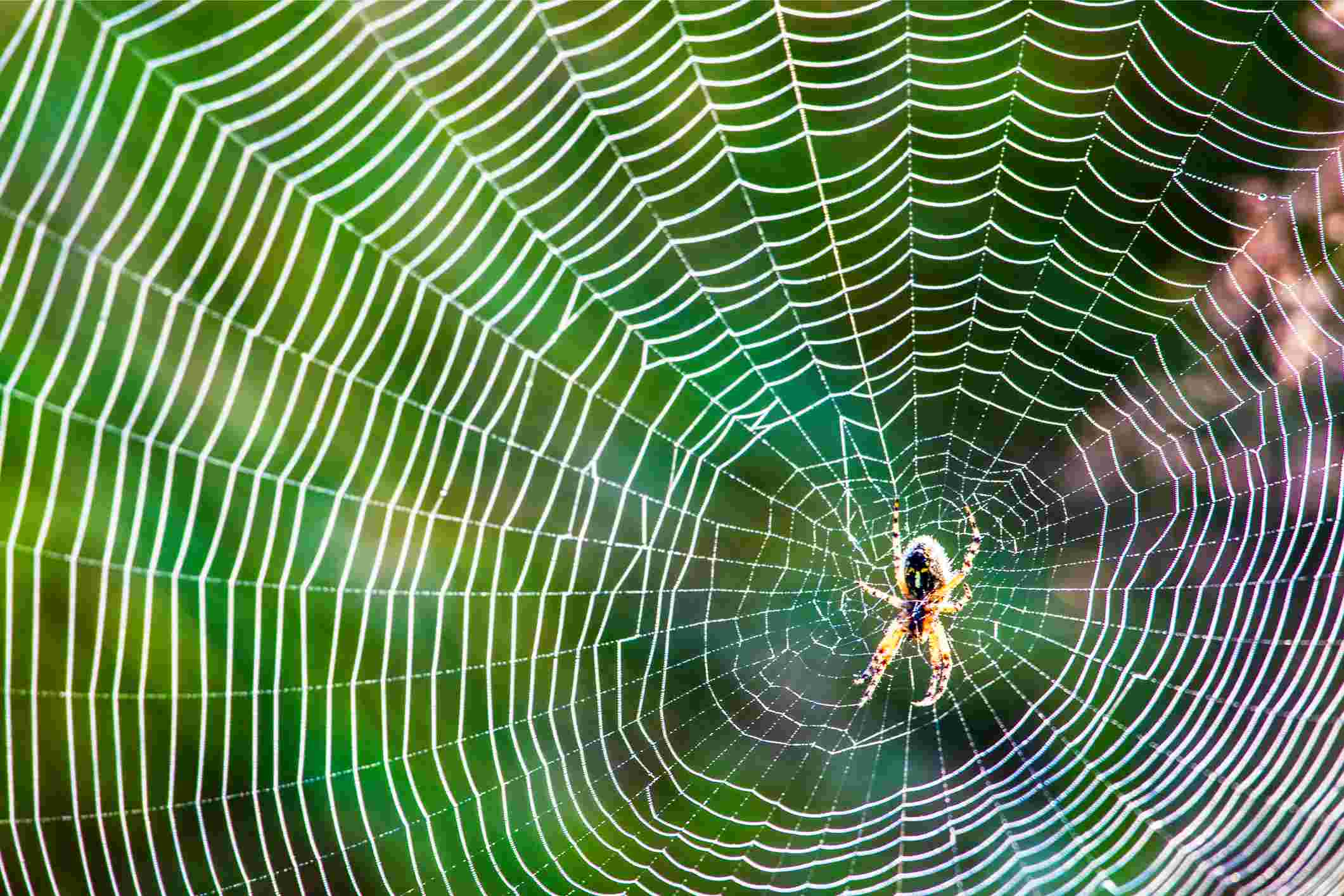
Introduction — Why bog spiders matter
Bog spiders are the stealthy, semi-aquatic acrobats of wetlands. If you’re studying biology, zoology, or ecology, these spiders are fascinating microcosms of adaptation: they bridge land and water, influence insect communities, and even act as indicators of wetland health. Want to know how a tiny egg in a damp marsh becomes a fish-catching, water-walking predator? Let’s walk through their life story — from egg sac to adult — step by step, and with a few surprises along the way.
Bog spider species & habitat
The term “bog spider” often refers to semi-aquatic species in the genus Dolomedes (raft/raft-bog spiders) and sometimes to other hunting spiders that frequent wetlands, like certain wolf spiders in cranberries and bogs. These species are specially adapted to live on the margins of ponds, ditches, boggy pools, and wet heaths: places with still or slow-moving water and emergent vegetation where they perch, hunt, and hide. Many Dolomedes prefer acidic bogs and heathland pools while relatives like the fen raft spider prefer neutral or alkaline marshes.
Key species: Dolomedes fimbriatus and D. plantarius
Two often-cited species are the raft spider (Dolomedes fimbriatus), common in boggy habitats, and the fen raft spider (Dolomedes plantarius), which prefers fens and grazing marshes. These spiders are among Europe’s largest semi-aquatic spiders and demonstrate the typical “bog spider” life-history traits we’ll discuss.
Stage 1 — Eggs and egg sacs
Like most spiders, female bog spiders produce egg sacs — silken, protective cocoons that hold anywhere from a few dozen to hundreds of eggs depending on species and female condition. The egg sac is a spider’s first investment: it must keep eggs hydrated, insulated, and safe from predators and microbes. Many semi-aquatic spiders attach their egg sacs to stems above water or tuck them into nursery webs built among emergent vegetation. The basic pattern (eggs inside a silk sac guarded briefly by the female) is a shared trait across most spiders.
Egg sac construction and clutch size
Clutch sizes vary: some spiders lay a modest few dozen eggs; others lay several hundred. For bog-associated species, egg placement is strategic — high enough to avoid flooding but close enough to the water’s edge that hatchlings can quickly access humid microclimates when they disperse. The female’s behavior around the sac — guarding, carrying, or hiding it — can vary by species and environmental risk.
Stage 2 — Hatchlings / Spiderlings
When eggs hatch, they release spiderlings — tiny replicas of adults in body plan (spiders exhibit incomplete metamorphosis), but far smaller and fragile. Many species’ hatchlings stay near the nursery for a few days, sometimes collectively residing in a nursery web or guarded area before dispersal. This early period is crucial: spiderlings need to harden their exoskeletons, coordinate their legs, and avoid desiccation. For raft spiders, nursery residency typically lasts around five days, though timing can vary with season and local conditions.
Nursery webs and early care
In semi-aquatic Dolomedes, the mother may construct a nursery web — a silken refuge in dense vegetation — where spiderlings cluster after hatching. This communal nursery reduces predation risk and keeps microclimate stable for newly hatched spiderlings. It’s like a tiny wetland day-care center built of silk.
Dispersal and ballooning
After the nursery stage, spiderlings disperse. Some species rely on “ballooning” — releasing silk threads that catch the wind and carry them to new habitats. Ballooning helps reduce competition among siblings and aids colonization of new ponds and bogs. Others crawl into the surrounding shrubs and vegetation to hunt small prey and continue growth close to the natal pool.
Stage 3 — Juvenile growth and molting
Spiders don’t grow continuously; they grow in spurts separated by molts. Each molt sheds the old exoskeleton and reveals a larger, softer, vulnerable new cuticle that hardens over hours to days. Juveniles may molt multiple times as they progress toward adulthood, and each stage between molts is often called an instar. Molting is physiologically demanding and risky — predators and fungal infections can exploit a molt’s vulnerability.
Number of molts and risks of molting
In Dolomedes, the number of molts before adulthood can vary by species and conditions. Some populations undergo many molts across two years; others reared in warm conditions may mature in a year with fewer molts. For example, captive observations show up to 13 molts between nursery dispersal and adult stage in certain conditions, but temperature and food availability strongly influence that number. That flexibility lets spiders sync maturation with seasonal windows of prey availability and suitable mating conditions.
Stage 4 — Subadult to adult (sexual maturity)
The final molts transition a subadult into a reproductive adult. For males, reaching maturity often triggers a switch to bold searching and courtship behavior; for females, it means egg-production capacity and the energy investment decisions around how many egg sacs to produce and where to place them. Males and females often have different survival strategies post-maturity — males frequently prioritize mate-searching (and riskier behaviors) while females prioritize fecundity and sometimes prolonged local guarding.
Courtship, mating, and male strategies
Mating in spiders is a dance of risk and reward. Males produce a sperm web and transfer sperm to their pedipalps (specialized appendages) before approaching a female. Courtship varies from leg-tapping to web vibrations and can be elaborate — the aim is to be identified as a suitor rather than prey. In many species, mating carries risk: males may be attacked or even cannibalized in extreme cases. These behaviors are shaped by sexual selection and ecological pressures in wetland habitats.
Lifespan and seasonal activity
Bog spiders’ lifespans vary: many complete their lifecycle within a single year in warmer climes, whereas others may take two years, especially in colder temperate zones where development slows and spiders overwinter as subadults. Females often live longer than males (sometimes considerably longer), which can influence population structure and seasonal dynamics. Semi-aquatic species like Dolomedes can be active most of the year in favorable climates but show peak activity during the warmer months from spring through autumn.
Behavior & diet across life stages
Bog spiders are primarily sit-and-wait or active hunters rather than web-weavers. Nymphs and juveniles feed on tiny invertebrates — springtails, midges, and aquatic larvae near the water edge — while larger juveniles and adults can take on bigger prey like dragonfly larvae, water-surface insects, tadpoles, and even small fish. Their hunting strategy transforms as they grow: tiny spiderlings hunt on foliage and near water margins; adults exploit the water surface and emergent perches as hunting platforms.
Water-surface hunting adaptations
Bog spiders are built for the waterline: hydrophobic hairs, long legs that distribute weight across the surface tension, and sensory chaetae (hairs) that detect ripples and vibrations. Imagine walking on water like a tiny, hair-covered pogo stick — that’s a bog spider at work. These adaptations let them detect struggling prey and pounce, often dragging larger prey to vegetation to feed.
Ecological role & conservation
In wetland food webs, bog spiders are both predators and prey. They control populations of aquatic and semi-aquatic insects, which can help balance invertebrate communities in peat bogs, fens, and marshes. Conversely, birds, larger amphibians, and predatory insects eat spiders. Some Dolomedes populations (e.g., D. plantarius) are vulnerable due to habitat loss, water pollution, and drainage of wetlands — a reminder that conserving bogs and fens protects not just plants but entire micro-architectures of life.
Observing bog spiders safely (ethics & tips)
If you’re fieldwork-bound or just exploring a pond, observe respectfully: avoid trampling vegetation, don’t remove nursery webs, and minimize handling. Use gentle photography or binoculars from the bank. For researchers, non-destructive surveys (visual counts, remote cameras) are often best for monitoring sensitive populations. Always follow local wildlife and conservation rules when surveying.
Research methods scientists use
Scientists study bog spider life cycles with a mix of approaches: nursery web counts (to estimate reproductive output), mark-recapture (to track growth and survival), rearing in controlled conditions (to study molting and development), and habitat assessments (to link spider success to water quality and vegetation structure). These methods together build the life-history picture that informs conservation.
Interesting adaptations & fun facts
- Some raft spiders can run across water and even dive briefly; they use surface tension and hydrophobic hairs to do it.
- The timing of molts can be plastic: in warm, resource-rich conditions spiders may mature faster with fewer molts.
- Nursery webs sometimes contain dozens to hundreds of spiderlings for several days — a communal start that looks a bit like a silk-wrapped cluster of confetti.
Conclusion
From the silk-swathed egg sac to the water-walking adult, bog spiders follow a life course shaped by seasonal cycles, aquatic-edge microhabitats, and an economy of risk: molt successfully and you grow; fail and predators or the elements might end you. For ecologists and naturalists, bog spiders are perfect small-scale models of adaptation, life-history trade-offs, and the health of wetland environments. Next time you’re near a marshy pool, peer into the reeds — you might just glimpse the next generation of these remarkable hunters.
FAQs
Q1: How many eggs do bog spiders lay?
A: Clutch size varies by species and female condition — from a few dozen to several hundred eggs inside a silk egg sac. The exact number depends on species, age, and environmental resources.
Q2: Do bog spiders bite humans?
A: Bog spiders are not aggressive toward humans; bites are rare and typically only occur if the spider is handled or trapped against skin. Most species’ venom is not dangerous to humans, causing at most localized pain.
Q3: How long does it take a bog spider to reach adulthood?
A: Time to maturity varies by species and climate — some can mature in a single warm year while others take two years with multiple molts. Food and temperature are big factors.
Q4: Are bog spiders important for wetland health?
A: Yes — as predators of aquatic and semi-aquatic insects, they help regulate invertebrate populations and serve as indicators of habitat quality. Declines in bog spider populations can signal wetland degradation.
Q5: What’s the best way to study bog spiders in the field?
A: Use non-destructive methods: visual nursery counts, careful habitat mapping, and remote photography. If handling is necessary, follow ethical guidelines, minimize disturbance, and record precise location and microhabitat data.