

If you’ve ever waded into a cranberry bog and felt something crawl on you — or heard stories about a “cranberry bog spider” — this guide explains what that term means, why spiders are common in cranberry systems, how to respond if one gets on your clothing or skin, and when to seek medical help.
Quick answer: Should you worry?
Short version: Usually, no. Most spiders found in cranberry bogs are not dangerous to people. They’re more interested in insects than in biting humans — and when bites do happen, they’re usually mild. Still, take sensible first-aid steps if you suspect a bite, and know the red flags that mean medical attention is needed.
What are “cranberry bog spiders”? (definition & scope)
The phrase “cranberry bog spider” is not a formal taxonomic name — it’s a practical, habitat-based label for any spider species commonly found in cranberry marshes and bogs. Think of it the way you might say “field mice” — it groups animals by where they live rather than by strict biological relationships. That means when someone mentions a cranberry bog spider, they’re usually talking about several possible species or families that are well adapted to wet, vegetated bog microhabitats.
Is there a single species or many?
There isn’t one single species called the “cranberry bog spider.” Instead, bogs host a community of spiders — ground-hunting species, web-builders, and ambush predators — that occupy different niches within the bog ecosystem. Field surveys of cranberry habitats document a mix of families and hunting strategies rather than one dominant “bog spider” species.
 What Is a Bog Spider? Facts, Habitat & Safety Tips
Typical families encountered in bogs
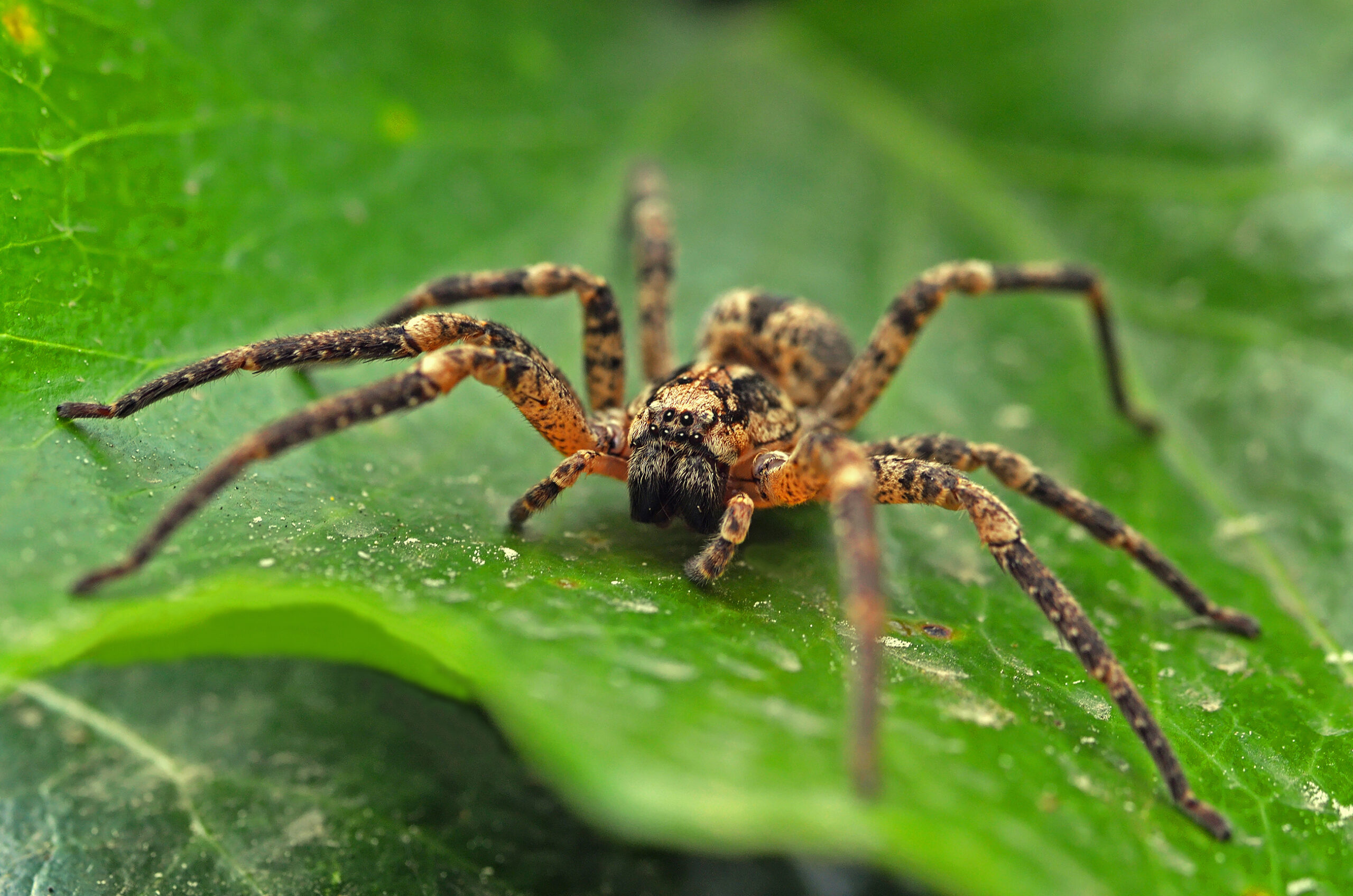
Among the commonly reported groups are wolf spiders (Lycosidae), orb-weavers (Araneidae), jumping spiders (Salticidae), and various crab spiders (Thomisidae). Wolf spiders are often highlighted in farm and media accounts because they’re ground-active hunters and can be abundant in agricultural wetlands; orb-weavers and jumping spiders occupy vegetation and vine layers. Each group plays a different ecological role.
Why cranberry bogs are good spider habitat
Cranberry bogs are more than tidy crop fields — they’re wetland mosaics with standing water, peat, moss, sedges, vine mats, and lots of insect life. Those conditions create microhabitats that many spiders exploit: water margins for hunting, vine-and-leaf layers for web attachment, and moist ground litter for egg sacs and retreats. The result is a surprisingly rich arthropod community in which spiders are important predators.
Food web and prey availability
Cranberry bogs support high densities of dipterans (flies), leafhoppers, collembolans, and other small arthropods — exactly the sorts of prey many hunting spiders eat. This prey abundance helps explain why spiders can be extremely numerous seasonally and why growers sometimes notice big spider “booms.”
how big are cranberry bog spiders
Microhabitat features: moisture, vegetation, leaf litter
Spiders vary in where they hang out: wolf spiders patrol the ground and vine layer; orb-weavers build webs among stems; jumping spiders perch on leaves and flowers. Moisture and structural complexity (vines, stems, and floating mats) give them both refuge and hunting platforms.
Are cranberry bog spiders dangerous to humans?
For almost all people, no. The vast majority of bog-inhabiting spiders are not considered medically significant. Bites are rare because spiders typically avoid large mammals and only bite defensively when trapped or crushed. That said, a few spider species worldwide carry medically important venom — but these are usually identifiable and have restricted distributions (e.g., black widows, brown recluses in certain regions). In cranberry bog contexts in North America, most of the spiders workers encounter are harmless or produce only minor local reactions.
Venom and human reactions (general)
Spider venom varies by species. Typical reactions to non-dangerous spider bites are local: pain, redness, swelling, and sometimes itching. More serious systemic reactions (muscle cramps, nausea, widespread necrosis, or severe allergic responses) are rare and usually linked to specific venomous species or individual allergies. When in doubt, observe the bite site and the victim’s overall condition; treat local symptoms and seek help if the situation worsens.
what to do after a spider bite
Which spiders, if any, are medically significant?
The medically significant spiders you hear about (black widows, brown recluse, certain funnel-webs in Australia) are not “cranberry bog specialists.” Identification matters — if you suspect a bite from a dangerous spider or the person develops systemic symptoms (severe pain, vomiting, breathing difficulty), treat it as a medical emergency. For most bog encounters, identification will reveal harmless hunters or small web-builders.
What to do if a cranberry bog spider is on you — step-by-step
Here’s a calm, practical, field-ready sequence for when a spider ends up on you (or your clothing) during a bog visit. These steps prioritize safety for both you and the spider and minimize risk of a defensive bite.
Immediate actions (stay calm, brush, inspect)
- Stay calm. Quick jerks can trap the spider between skin and clothing and increase the chance of a defensive bite.
- Gently brush the spider off with a gloved hand, dry cloth, or the edge of your field jacket. Aim to coax it free rather than squashing it.
- Inspect the site — where the spider was: clothing, sleeve, boot, skin fold. Remove outer clothing layers (gloves, jacket) if you feel crawling on them. Most spiders will run away if given a route.
These actions typically remove the spider safely. For workers during harvest floods, remember spiders often climb to high points and can end up on waders or the tops of bundles — awareness and slow movement help.
If you were bitten: first aid and monitoring
If you suspect a bite (pain, two puncture marks, swelling):
- Clean the area with mild soap and water.
- Apply a cool compress (ice wrapped in cloth) for 10–15 minutes to reduce swelling and pain.
- Elevate the limb if possible.
- Take an OTC pain reliever or antihistamine for itching and discomfort if appropriate and not contraindicated.
- Capture/photograph the spider only if you can do so safely — having an image or specimen can help clinicians identify the species if symptoms escalate.
When to seek medical attention or emergency care
Seek immediate medical care if any of the following occur: spreading redness or pain that rapidly worsens; fever, chills, or muscle cramps; difficulty breathing, fainting, or swelling of the face/throat (possible anaphylaxis); large necrotic lesion or signs of infection. If the spider is suspected to be a medically significant species in your area, seek urgent evaluation. When in doubt, call local poison control or emergency services.
Preventing unwanted spider encounters in the bog (for field workers)
If you work in cranberry bogs regularly, simple prevention reduces encounters and bites: wear long sleeves and tall waterproof boots or waders, tuck pants into boots, use gloves when handling vines, shake out clothing and gloves before putting them on, and move slowly when reaching into vegetation. Employers should include spider-awareness in safety briefings and supply appropriate PPE during harvest and flood operations.
Clothing, working practices, and harvest-time tips
During flooding harvests, many spiders flee rising water and climb to the nearest dry, elevated structure — sometimes people. A hat, hood, or jacket left unzipped and open gives spiders escape routes; closed cuffs and checked boots help. Simple routines — like turning gloves inside-out after a task — can stop surprises.
Ecological role: why farmers and ecologists often value these spiders
Far from being pests, spiders are valued allies in many agroecosystems. They reduce pest populations naturally, eating leafhoppers, fly larvae, and other crop-damaging arthropods. Some cranberry operations intentionally favour or tolerate spider populations as part of integrated pest management (IPM) strategies, reducing the need for chemical pesticides. This ecological service is one reason you’ll see reports of “spiders protecting cranberry bogs.”
Natural pest control and integrated pest management
Ecologists and IPM practitioners view spider abundance as a biological control asset. Surveys show spiders in bogs capture a wide variety of prey items important in crop damage dynamics, so preserving spider-friendly habitat (reduced pesticide use, structural refuge) can be an effective part of sustainable crop protection.
Common myths and practical realities (e.g., spiders in your cranberries?)
Myth: “Spiders end up inside the berries and get eaten.”
Reality: Cranberries are washed and processed; incidental arthropods are removed.
Myth: “Cranberry bogs are crawling with deadly spiders.”
Reality: most bog spiders are harmless and beneficial predators. Understanding the ecology helps replace spooky stories with practical management.
Quick field ID tips (wolf spider vs orb-weaver vs jumping spider)
Wolf spiders (Lycosidae): robust, ground-active hunters, fast runners, often brown/cryptic.
Orb-weavers (Araneidae): build round webs in vegetation, usually seen on or near webs.
Jumping spiders (Salticidae): small to medium, stocky, excellent vision, move in short leaps.
These differences help you infer whether the spider you felt crawling on you is a timid web-builder (less likely to bite) or a ground-hunting species (more mobile but still not aggressive toward humans).
Conclusion
Cranberry bog spiders are a diverse, ecologically important set of creatures rather than a single species of menace. If one finds its way onto you, the best approach is calm, deliberate removal and routine first aid if a bite occurs. For field workers, preventative clothing and simple habits will minimize unwanted encounters. From an ecological viewpoint, spiders in bogs are often a net positive — natural pest control allies that help maintain healthy cranberry systems. When in doubt about a bite, follow standard first-aid guidance and seek medical attention if symptoms are severe.
Frequently Asked Questions (FAQs)
Q1: Can spiders from cranberry bogs get into the packaged cranberries I buy?
A1: It’s extremely unlikely — cranberries are cleaned, sorted, and processed, and quality-control removes debris and arthropods before retail.
Q2: If a spider bites me while harvesting, should I try to capture it?
A2: Only if you can do so safely (without risking another bite). A photo or specimen helps medical staff identify the species if severe symptoms occur, but do not prioritize capture over prompt first aid or emergency care.
Q3: Are wolf spiders common in cranberry bogs?
A3: Yes — wolf spiders are frequently reported in bogs because they hunt on the ground and take advantage of abundant prey. They’re typically not dangerous to humans.
Q4: What should field managers do to reduce bite risk during floods?
A4: Provide PPE (waders, gloves), run safety briefings about spider behavior during flooding, encourage slow movements and clothing checks, and minimize unnecessary disturbances that might trap spiders against skin or clothing.
Q5: How do spiders contribute to cranberry pest management?
A5: Spiders prey on many arthropods that can harm cranberry plants; encouraging spider-friendly habitat can lower pest pressure and reduce pesticide reliance as part of an IPM strategy.